
We've Split Up But Share A Mortgage: What Should We Do First? |
A joint mortgage is a home loan in both names. Moving out does not remove either person's responsibility to repay it. |
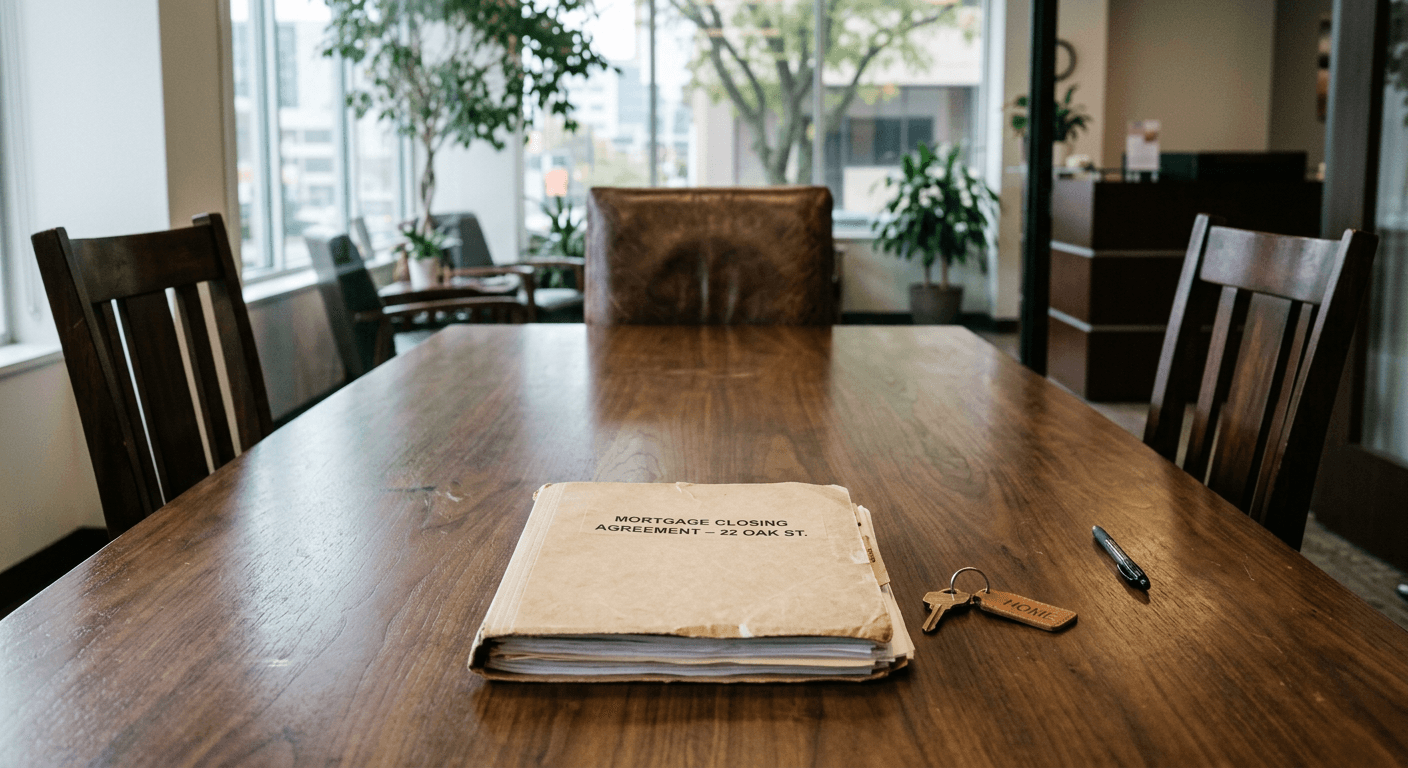
A relationship can end in one uncomfortable conversation.
A joint mortgage does not.
If both names are on the mortgage, moving out does not remove either person from the debt.
MoneyHelper says people who share a mortgage remain legally responsible for repaying it while their names remain on the mortgage.
Each can be responsible for the whole debt, not just half.
That is the first thing to get clear before arguing about who stays, who pays or whether the home should be sold.
For a couple who have separated, start with the payment and the paperwork.
Keep the mortgage paid if you can.Missed payments can affect both borrowers.
If the payment is becoming difficult, contact the lender early rather than assuming the other person will deal with it.
Then gather the facts: the current mortgage balance, monthly payment, ownership details, any other borrowing that gives another lender rights over the home if it is not repaid and a realistic current property value.
After that, there are usually three broad routes to discuss.
You sell the home and repay the mortgage from the sale proceeds.
One person keeps the home and tries to take over the mortgage.
Or you keep the existing arrangement for a period while a longer-term decision is made.
The second option is where many people make a dangerous assumption.
Even if both former partners agree that one person should keep the house, the lender does not have to release the other borrower simply because the couple wants it to.
MoneyHelper says the lender will check if the remaining borrower can afford the payments and can refuse to remove a borrower if the remaining person cannot support the mortgage alone.
That means an agreement between two people is not the same as an agreement with the lender.
The same applies if a court or legal settlement says one person should keep the home.
The lender's lending decision still has to be dealt with separately.
If one person stays in the property temporarily, put the arrangement in writing: who is paying the mortgage, bills and repairs, and when the arrangement will be reviewed.
That does not change the mortgage contract, but it is better than two people remembering a conversation differently three months later.
Also remember that the mortgage and the legal ownership are related but not identical.
A solicitor or family-law specialist can explain the ownership position, while the lender or a mortgage adviser authorised under UK financial rules deals with the borrowing.
What should you avoid?
Do not stop paying simply because you have moved out.
Do not assume the person remaining in the house has automatically taken over the debt.
Do not sign away ownership or agree a price for one person's share without understanding the legal and mortgage position.
And do not rely on "I'll keep paying it" as if that removes the other person from the legal responsibility to repay.
The calmest first move is to get the numbers, speak to the lender and get legal advice if the ownership or wider settlement is disputed.
It may be possible to avoid an immediate sale. It may also turn out that selling is the cleanest route.
Either way, the mortgage only changes when the lender formally agrees to change it.
|
0 Comments
Join the conversation
Be the first to comment
Share your thoughts above.