
What Should Renters Check When They Receive Notice That A Tenancy May End? |
A notice from your landlord does not always mean you have to pack up straight away. Here’s what to look for, what the new rules change and where to get help locally.
|
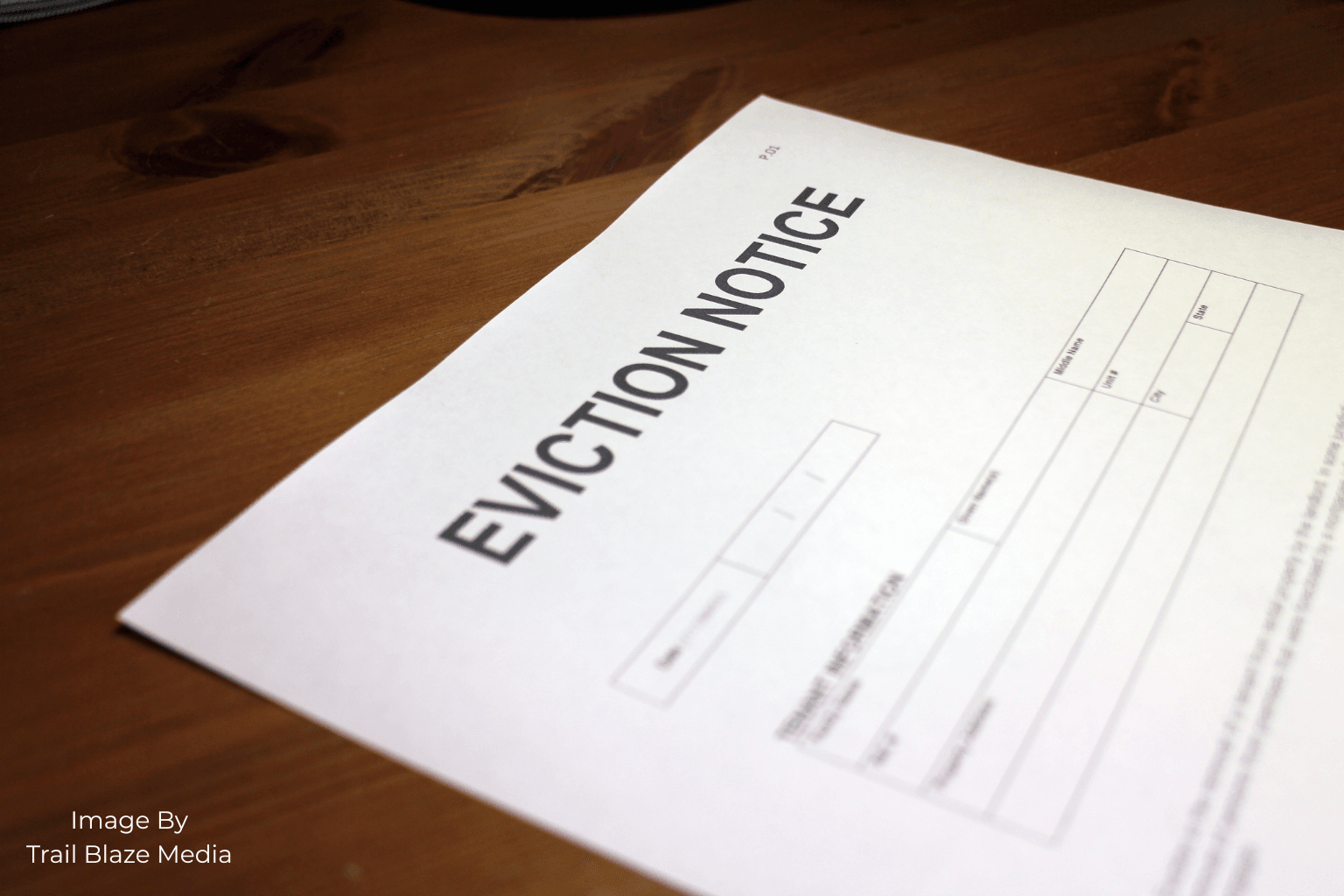
Getting a letter or email saying your tenancy may be ending can make your stomach drop.
One minute you're having a perfectly ordinary Tuesday. The next, you're reading words like “possession”, “grounds” and “periodic tenancy” and wondering whether you're supposed to understand any of it.
Most people don't.
Don't panic — and don't start loading the car just because a notice has arrived.
Suzanne at Y-Us Lettings in Peterborough says the first thing to do is slow things down and work out exactly what you've received.
A notice is normally the start of a legal process, not somebody arriving tomorrow to change the locks.
The rules for private renting in England changed significantly on 1 May 2026. Most existing assured shorthold tenancies became assured periodic tenancies.
That's quite a mouthful, so what does it actually mean?
In simple terms, a periodic tenancy is one that continues from one rental period to the next often month by month rather than having a fixed end date.
Section 21, sometimes called “no-fault eviction”, has also ended for new possession action.
Previously, Section 21 allowed landlords to seek possession without having to prove that the tenant had done something wrong.
Landlords now generally need to use the Section 8 process instead.
Again, forget the legal-sounding name for a moment.
Section 8 basically means the landlord needs to give a legally recognised reason for wanting the property back.
Those reasons are known as “grounds for possession”.
A ground might involve rent arrears, for example, or another circumstance recognised by housing law.
Much less mysterious when somebody actually explains it, isn't it?
That's something Suzanne at Y-Us Lettings feels is particularly important.
Tenants shouldn't be expected to speak fluent housing-law just because a formal letter has landed on the doormat.
1. Start with the boring-but-important detailsBefore worrying about what everything means, check the basics. Is your name correct? Is the property address correct? When did you receive the notice?
Keep the letter and its envelope. If it arrived electronically, save the email and attachments too.
Suzanne's advice is to keep everything together rather than trying to work from memory later.
Nobody's memory improves when they're worried.
2. What sort of notice have you actually received?
For most private landlords seeking possession through Section 8, the notice should be in writing and use Form 3A.
Form 3A is simply the official form used to tell a tenant that their landlord intends to seek possession of the property under Section 8.
The form should also identify the “ground” or “grounds” being used. Remember, a ground is simply the legal reason the landlord is relying on for asking for the property back.
That's important because a landlord saying, “I need the house back” isn't necessarily the same as serving the correct legal notice.
Equally, spotting something on the form that doesn't look right doesn't automatically mean you can throw it in the recycling and forget about it.
If you're unsure, get proper advice before deciding what the notice means.
3. Read the reason, not just the leaving date
Most people's eyes understandably jump straight to the date.
Before mentally booking a removal van, look at why the landlord says they are seeking possession.
Perhaps the notice refers to rent arrears. That simply means rent the landlord says hasn't been paid when it was due.
Maybe it refers to a breach of tenancy. That's the legal way of saying the landlord believes one or more rules or responsibilities in the tenancy agreement haven't been followed.
Or another possession ground may apply.
Compare what's written with your own records.
If the notice says rent is outstanding, check your bank statements and rent account.
If it refers to damage or another problem, gather relevant photographs, messages, emails and documents.
And resist the very human urge to immediately send a 14-paragraph WhatsApp explaining absolutely everything.
Evidence first. Argument later, if one is actually needed.
4. Check the date but understand what it meansYou'll probably see a date telling you when the landlord is seeking possession.
This is where another bit of terminology can cause unnecessary panic.
A notice period is simply the amount of warning the landlord legally has to give before they can move to the next stage.
The required period can vary depending on the possession ground being used.
Most importantly, the date on the notice isn't necessarily the date somebody can simply turn up and remove you from the property.
If you stay after a valid notice expires, the landlord will normally need to apply to court for a possession order.
A possession order is a court decision saying that the tenant must leave the property.
You'll normally receive court paperwork and have an opportunity to respond as part of that process.
So there are two messages worth remembering:
Don't ignore the notice.
But don't assume you need to be out by teatime either.
5. Find your tenancy paperwork
Yes, we're afraid it's time to find that folder.
You know the one.
The folder containing the tenancy agreement and several important documents you put somewhere “safe”.
Find your tenancy agreement, rent records, deposit information and correspondence with your landlord or letting agent.
Your tenancy agreement is simply the contract setting out the arrangement between you and your landlord including things such as the rent and your respective responsibilities.
These documents can help an adviser understand what's happened and which rules apply.
That's much more useful than relying on what happened to your friend's cousin three years ago.
Property advice has a remarkable ability to travel through families and Facebook groups while losing several important facts along the way.
6. Ask for help before making a big decisionIf you've received a notice, don't wait until the last possible moment to ask for help.
Peterborough City Council says people who are threatened with homelessness within 56 days, or who have received a notice to quit, should seek advice promptly through its Housing Jigsaw portal or Housing Needs service.
“Threatened with homelessness” sounds dramatic, but in council terms it generally means there's a real possibility you could lose your accommodation within the next 56 days.
The Housing Needs number is 01733 864064.
You can also speak to Citizens Advice, an independent housing adviser or a solicitor.
Take the complete notice and your tenancy paperwork with you.
The exact possession ground, notice period and tenancy type can make a difference, and an adviser can look at your individual circumstances.
What if someone tries to force you out?
A landlord shouldn't simply change the locks, remove your possessions or frighten you into leaving without following the proper legal process.
You may hear the term “illegal eviction”.
In plain English, that means someone is trying to remove you from your home without following the legal procedure required to do so.
If you believe that's happening, seek urgent housing advice and keep records of messages, visits and incidents.
Suzanne's advice: you don't need to understand everything at onceReceiving a tenancy notice is stressful.
And when that notice contains language that sounds as though it was written exclusively for solicitors, it's perfectly understandable to feel overwhelmed.
Suzanne at Y-Us Lettings recommends breaking it down.
What notice have you received? Why has it been served? What date does it give? What evidence or paperwork do you have?
Then get advice if you need it.
You don't need to become an expert in Section 8, possession grounds and periodic tenancies overnight.
You just need enough information to understand what's happening and make a sensible next decision.
What would you ask Suzanne?
Still confused by something you've heard about tenancy notices, Section 8, deposits, rent increases or the new renting rules?
Leave your question for Suzanne at Y-Us Lettings in the comments below.
There really isn't a “silly” question here. If you've wondered what a particular bit of property jargon means, there's a good chance plenty of other Peterborough renters have wondered exactly the same thing.
Just don't include your address, personal documents or private information in your comment.
We may ask Suzanne to answer some of the most common questions in a future article.
Here are also some useful resources Suzanne suggests
2. Repossessing your privately rented property after 1 May 2026 |
0 Comments
Join the conversation
Be the first to comment
Share your thoughts above.