
Which Home Energy Upgrade Is Worth Checking Before Spending Serious Money? |
Insulation and a proper home assessment could save you from choosing the wrong upgrade and local grants may help with the bill. |
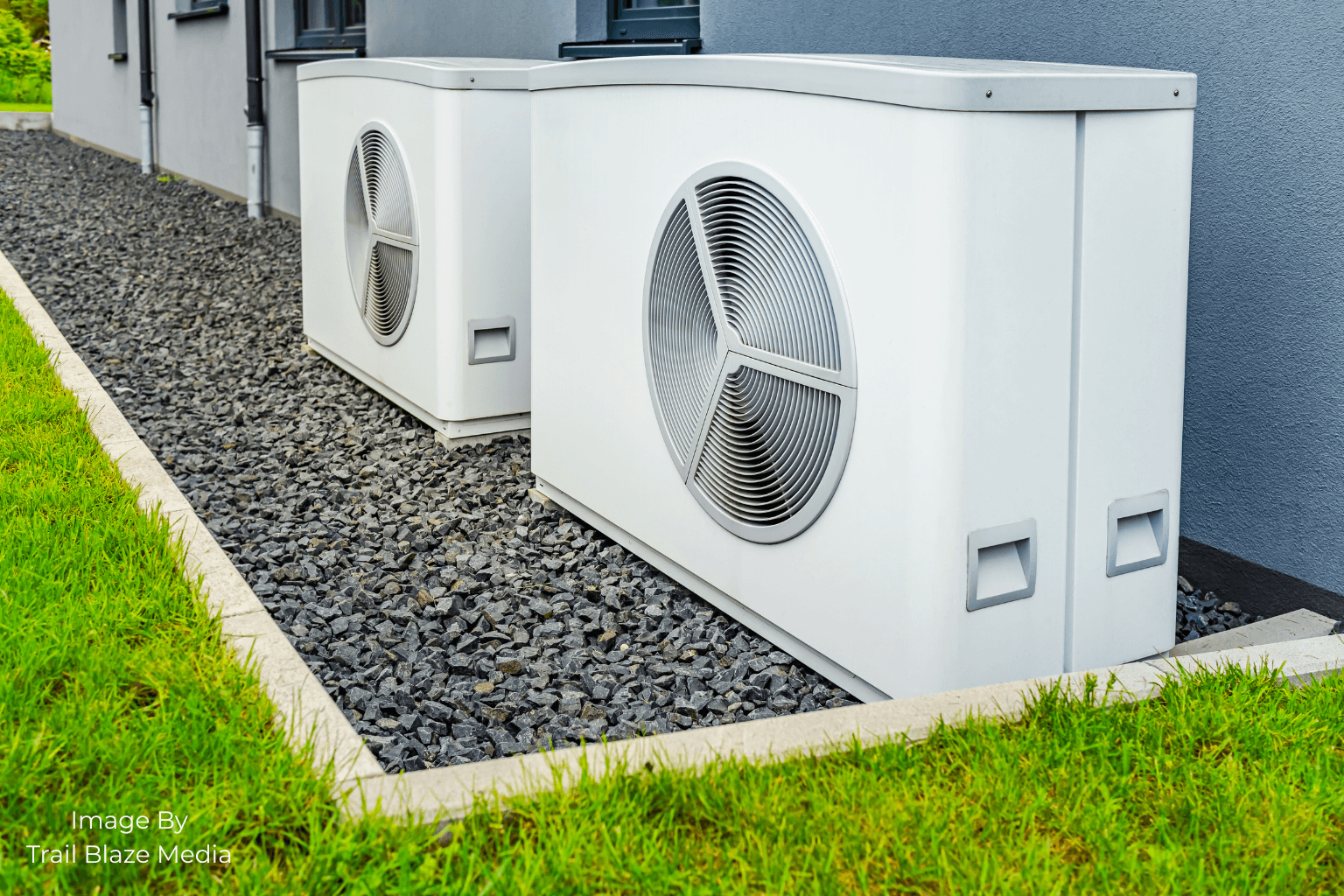
If you’re about to spend thousands making your Peterborough home warmer or cheaper to run, start with the boring bit: find out where the heat is escaping.
That usually means checking your insulation and getting a whole-home energy assessment before choosing a big-ticket upgrade.
It may sound less exciting than solar panels or a shiny new heating system, but it can stop you paying for the wrong fix.
The free Local Energy Advice Partnership, known as LEAP, is available to Peterborough residents.
It can arrange an energy audit, offer advice on bills and benefits, provide some simple energy-saving measures and refer households for larger improvements such as insulation, solar panels or boiler work.
That should be your first stop if you don’t yet know what your home needs.
Why insulation comes first
Energy Saving Trust guidance says planned insulation improvements should generally be completed before a heat pump is installed, where possible.
A heat pump can still work in a home that isn’t perfectly insulated, but it performs best when the building is not losing heat through the roof, walls and floors faster than the system can replace it.
For many homes, that means checking the loft first.
Cavity-wall insulation, floor insulation, draught-proofing and heating controls may also come into the conversation.
The right answer depends on the building, its existing insulation, the heating system and the EPC recommendations.
An EPC is not a complete design for your home, but its improvement suggestions are a sensible place to begin. Don’t treat it as a shopping list. Treat it as a list of things to investigate.
The Peterborough money check
Before booking an installer, check the Warm Homes Local Grant. Peterborough City Council says eligible households could receive up to £15,000 towards improvements.
The scheme is aimed at homes with an EPC rating from D to G, subject to income or benefit rules and an eligible postcode.
Measures can include loft and cavity-wall insulation, solar panels, air-source heat pumps, double glazing and more efficient doors.
The scheme is due to run until March 2028, but local delivery arrangements can change.
There is a particularly awkward wrinkle for PE1 residents: the council says 0800 Repair, the primary installer for that postcode area, is temporarily unable to accept new applications.
For other Peterborough postcodes, Aran Insulation is listed as the primary installer.
Check the council’s grant page before relying on any of that, as capacity and application status may move.
The council also says ECO4 remains open until 31 December 2026, but available funding is very limited.
In other words, don’t assume a supplier will still have money simply because the national scheme has not formally ended.
When a heat pump deserves a closer look
A heat pump is not automatically the best upgrade for every Peterborough property.
It becomes more interesting when your existing boiler or heating system is nearing replacement, particularly if your home currently uses oil or LPG rather than mains gas.
The Boiler Upgrade Scheme currently offers grants of £7,500 for eligible air-source or ground-source heat pumps.
Qualifying households off the gas grid that replace an oil or LPG heating system may be able to receive up to £9,000, including the additional support available under the current rules.
Energy Saving Trust puts a typical air-source heat-pump installation at around £11,000 before support.
That is a national guide price, not a quote for a Peterborough terrace, bungalow or detached home.
The final bill can vary sharply depending on radiators, insulation, electrical work, access and the system being replaced.
So don’t order one because the grant sounds generous.
Get the home assessed, ask what insulation should happen first and compare a properly specified quote with the likely running costs.
What about solar panels and new windows?
Both can be sensible options. Neither is a guaranteed winner.
Solar panels may suit a home with a decent roof, good daytime electricity use and a plan to stay put long enough to benefit.
New glazing can improve comfort and reduce draughts, but replacing sound windows may not be the first job if the loft is poorly insulated or the heating system is inefficient.
Solid-wall insulation can bring bigger disruption and needs careful design.
It should not be treated like a quick add-on simply because it appears on a general energy-upgrade list.
The better order is usually:
1. Check your EPC and arrange a whole-home assessment.
That approach is less glamorous than jumping straight to the upgrade everyone is talking about.
It is also far less likely to leave you with an expensive improvement that solves the wrong problem.
If you’re in Peterborough and have already had an assessment, tell us which part of the home it flagged first loft, walls, windows, heating or something else.
Those local examples would help show which recommendations are turning up most often in the city.
Post your comments below
|
0 Comments
Join the conversation
Be the first to comment
Share your thoughts above.