
The garage says it needs doing. What should you ask before saying yes? |
You do not need to diagnose the car. You do need to understand the work, the price and exactly what you are authorising. |
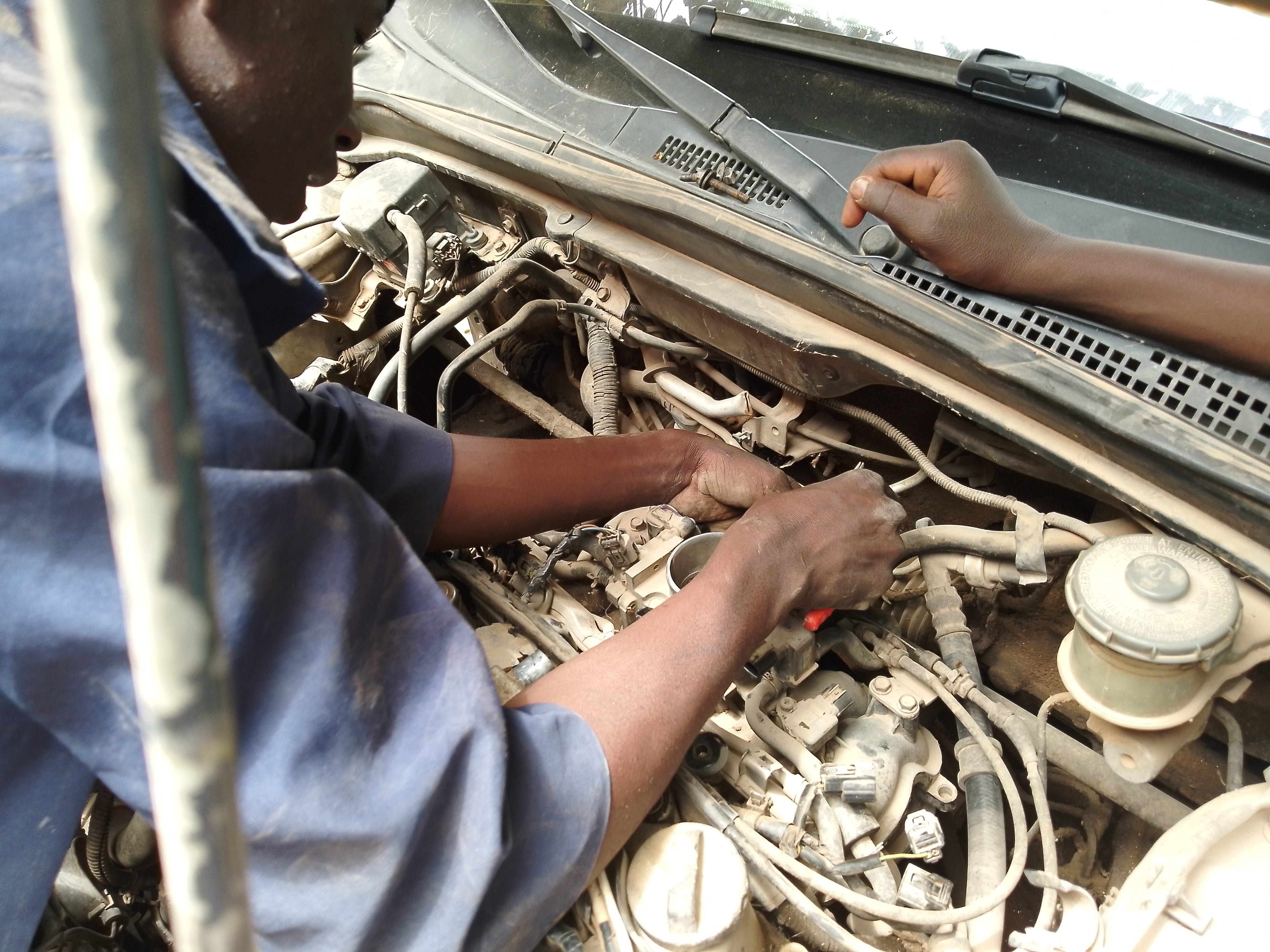
“You're halfway through your day when the garage calls. They've found something else wrong with the car…”
You do not have to become a mechanic in the next thirty seconds.
But you are entitled to slow the conversation down enough to understand what is being proposed.
For a Peterborough household fitting work, school runs and shopping around one car, the repair is only part of the problem.
The bill matters. So does whether you will have transport tomorrow.
Ask what the problem means
Start with the fault, in ordinary language What has the inspection found?What evidence supports it?Can the garage show you a photograph, the worn part or the relevant test result?
Then ask the question you actually need answered: is the car safe to drive, and what could happen if the work waits?
“Urgent”, “recommended” and “worth keeping an eye on” are not interchangeable.
Ask the garage to distinguish them and explain any deadline.
If it advises against driving, discuss safe collection or recovery rather than treating the journey home as an experiment.
An MOT result and a repair recommendation also need explaining in context.
Ask which item the proposed work relates to rather than assuming every suggestion has the same level of importance.
Agree the job, not a blank cheque
Request a written breakdown covering parts, labour, VAT and any diagnostic charge.
Check whether the figure is a quotation or an estimate.
Citizens Advice explains the distinction: a quotation is a promised price, while an estimate is the garage's best guess. What you agreed matters if the bill later changes.
Be clear about the scope.
Authorising an inspection is not the same conversation as agreeing every repair it might reveal.
You could say: please carry out this specified work at the agreed price, and contact me before doing anything extra.
Ask what happens if dismantling reveals another fault.
Will the garage pause, explain the options and obtain approval?
Make sure it has the right contact number and knows what to do if you cannot answer immediately.
Keep the written booking, quote and messages.
A short record made now is more useful than trying to reconstruct a hurried phone call next week.
Include the days without the car
Ask when the work can start, when parts are expected and when the car is likely to be ready.
Establish whether any completion time is firm or provisional.
If a courtesy car is offered, check availability, insurance, eligibility and charges.
Do not build tomorrow's arrangements around an offer nobody has confirmed.
A second opinion can be sensible for costly work, but ask about diagnostic or reassembly costs and whether the vehicle can safely & legally be moved.
Comparing two prices only helps when they cover comparable jobs.
If the bill does not match the agreement
Raise the discrepancy with the garage first, in writing, identifying the disputed item and the outcome you want.
Seek consumer advice before deciding to withhold payment or move the vehicle.
The Motor Ombudsman explains the dispute process, including giving the business an opportunity to respond and checking whether it is accredited before seeking its dispute-resolution service.
It does not cover every garage automatically.
Before you say yes
A good garage should be able to explain what's wrong, how urgently it needs attention, what the repair will cost and when you'll have your car back.
You don't need to understand everything under the bonnet. You just need enough information to make a sensible decision.
And if you're still unsure?
Ask another question. It's considerably easier than arguing about the bill afterwards.
Has a garage ever recommended a repair you weren't sure about? What did you ask before agreeing? Share your experience in the comments — it might help another Peterborough driver. |



0 Comments
Join the conversation
Be the first to comment
Share your thoughts above.