
Should An 18-year-old In Peterborough Open A Lifetime ISA? |
A Lifetime ISA is a tax-free savings or investment account for a first home or later life. Early withdrawals can carry a charge.Look beyond the bonus before locking money away. |
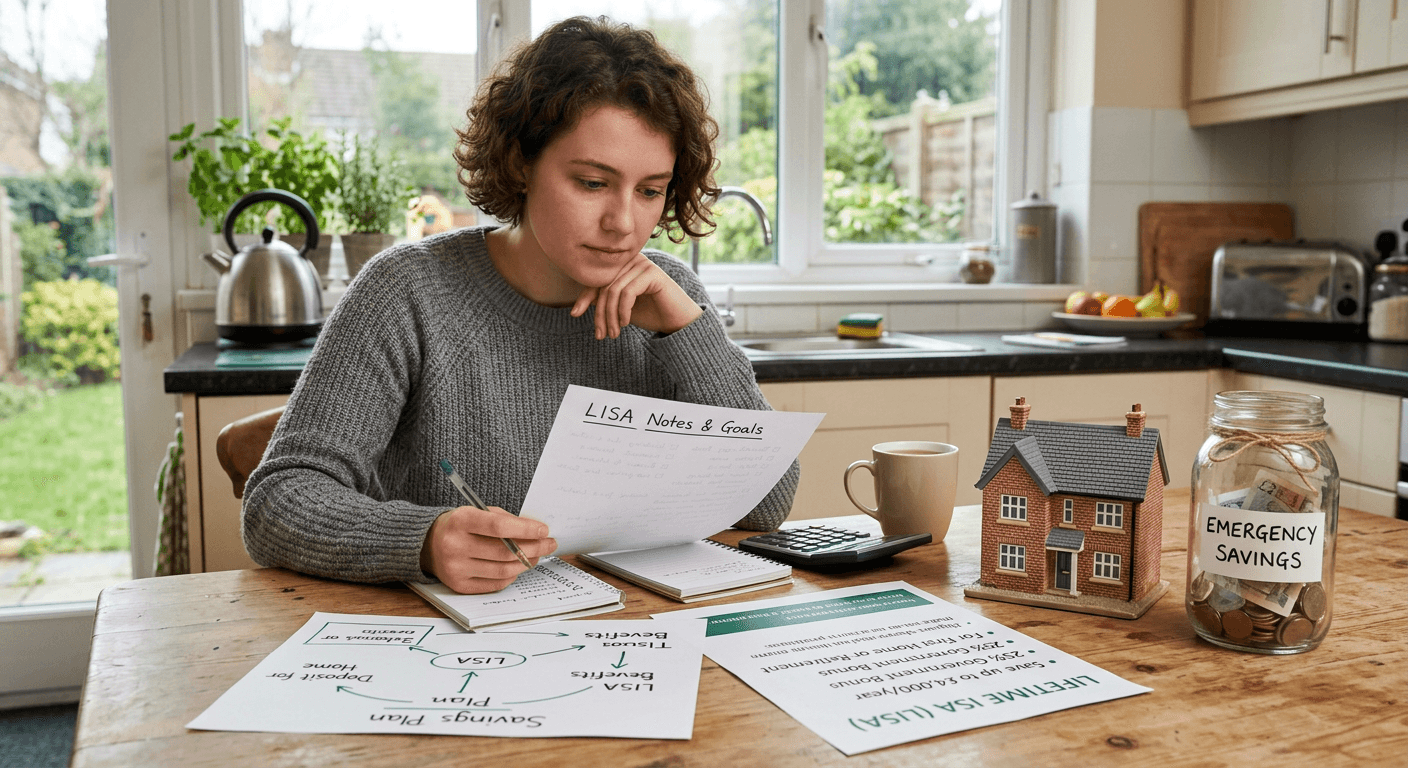
When a child turns 18, the money conversation often shifts from pocket money to proper decisions.
They may be starting work, heading to university or college, or simply trying to build a bit of independence.
That is when a Lifetime ISA, a tax-free savings or investment account intended for a first home or later life, can appear tempting.
The government adds 25p for every £1 paid in, up to a maximum bonus of £1,000 a year.
But this is not a magic savings pot. For an 18-year-old, a Lifetime ISA makes most sense when the money is being kept for a first home or retirement and is unlikely to be needed in the meantime.
If the money might be needed for rent, a car, a course, a move or an emergency, another type of savings account may fit better.
The basic's of the offer
A Lifetime ISA, or LISA, can be opened by someone aged 18 to 39.
They can pay in up to £4,000 each tax year, which runs from 6 April to 5 April, with the government adding a 25% bonus.
That means a full £4,000 contribution could receive a £1,000 bonus.
Payments and bonuses stop at age 50, although the account can stay open.
The money can be held as cash or invested.
A cash account is designed to hold savings, while an investment LISA can rise and fall in value.
That big difference is not a small detail for a young person who may need the money soon.
The first-home rules are where the catches begin.
The LISA normally needs to have received its first payment at least 12 months before the withdrawal.
The buyer must be purchasing their first home, must use a mortgage and the property must cost no more than £450,000.
Withdrawals from age 60, and certain other permitted withdrawals, are free of that charge.
Taking money out earlier for a purpose that does not qualify normally attracts a 25% government charge.
That charge can mean losing some of the money the saver put in, not just giving back the bonus.
So the account is not a good place for money labelled "maybe I'll need it next year".
How does Peterborough fit in?
The local house-price picture makes the £450,000 limit look less alarming.
The provisional average first-time-buyer price in Peterborough was £209,000 in June 2026, according to the Office for National Statistics.
The average price across all homes was £238,000.
That suggests the LISA price ceiling is unlikely to be the first hurdle for many local buyers.
It does not mean a particular 18-year-old can afford a home, qualify for a mortgage or build a deposit quickly.
An average price is not a personal budget.
A young buyer still has to think about earnings, job security, mortgage affordability, the deposit, legal and moving costs, and the fact that rent in Peterborough averaged £1,003 a month in July 2026.
There is some help elsewhere, too.
In England, eligible first-time buyers pay no Stamp Duty Land Tax, the tax paid on certain property purchases, on a home costing up to £300,000, and 5% on the portion between £300,001 and £500,000.
That can reduce the cash needed at purchase, but it does not replace an emergency fund or make a mortgage affordable on its own.
The checks to make before opening one
First, ask what the money is actually for. "A house one day" is not the same as a planned deposit with a rough timescale.
If the young person is likely to need the money during further education or their first years of work, locking it behind a withdrawal charge could create more stress than the bonus solves.
Next, check the wider money picture.
Do they have expensive debt?
Any emergency savings?
A workplace pension?
If they have started a job, the money their employer adds to their pension may deserve attention before putting every spare pound into a LISA.
Then look closely at the account itself. Interest rates, investment choices, fees, transfer rules and other conditions vary between providers and can change.
A headline rate is only one part of the decision. Rates and account terms need checking on the day the account is opened.
Finally, make sure the first-home plan fits the rules.
The purchase must be by a first-time buyer, use a mortgage and stay within the £450,000 property limit.
The account's 12-month waiting period also needs to be part of the plan from the start.
So, should they open one?
Possibly, but not simply because the government bonus is sitting there.
A LISA can be a strong fit for an 18-year-old who has spare money, several years to save and a realistic first-home or retirement goal.
It is a poor fit for short-term savings or money that may be needed at short notice.
A conventional savings account, another ISA or a pension may suit a different situation.
For general money and housing advice, Citizens Advice Peterborough offers free, confidential and impartial support through telephone and digital channels.
Anyone paying for financial advice should check the adviser or firm on the Financial Conduct Authority register, the official record of firms permitted to provide particular financial services, and confirm that it is authorised to provide the service being offered.
Check the withdrawal rules before paying in.
The bonus can be outweighed by needing the money for something that does not qualify.
What would you want to know before opening a Lifetime ISA for yourself or your child?
Tell us the specific point you would want an expert to answer, such as the withdrawal rules, cash versus investment options or how a LISA fits alongside a workplace pension. |




0 Comments
Join the conversation
Be the first to comment
Share your thoughts above.