
Main Article Headline |
Article Sub Headline |
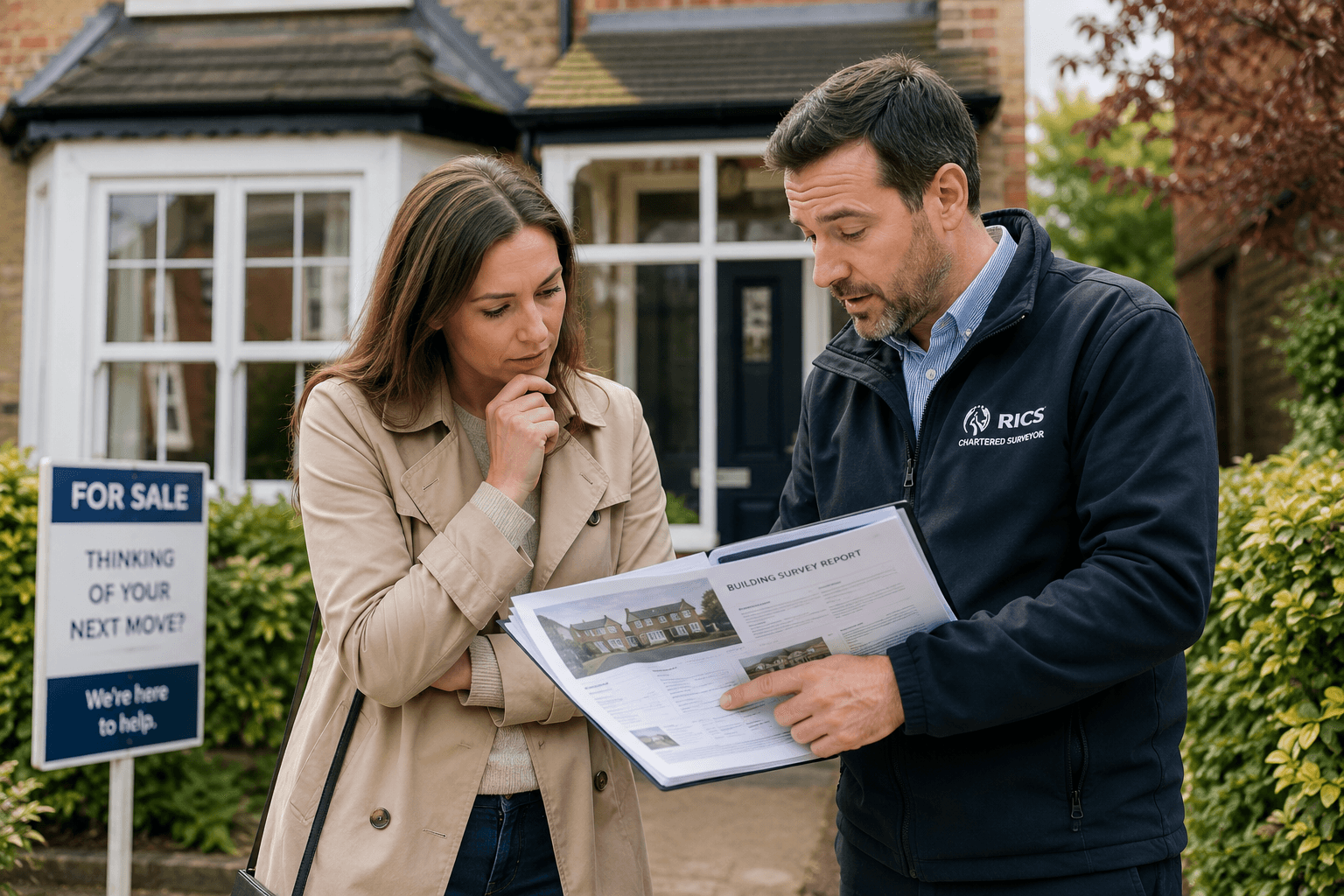
Buying a home is exciting.
Receiving the survey report often isn't.
Pages of technical comments, highlighted defects and unfamiliar terms can leave buyers wondering whether they should pull out immediately or carry on regardless.
The truth is that very few survey reports come back completely clear.
Even well-maintained homes usually have issues that need attention.
The skill is understanding which problems are normal, which can be negotiated and which deserve much closer investigation.
For example, small cracks caused by normal settlement are common in many properties and don't automatically suggest structural failure.
By contrast, large or widening cracks, significant movement, roof problems, damp affecting structural timbers or signs of ongoing water ingress may justify further investigation before contracts are exchanged.
Older properties naturally need more maintenance than newer homes, but newer homes aren't automatically problem-free either.
Snagging issues, poor workmanship and unfinished repairs can all appear in relatively recent developments.
One of the biggest mistakes buyers make is concentrating only on the purchase price.
A house that seems £10,000 cheaper may not be a bargain if it needs £20,000 worth of repairs shortly after moving in.
That's why it's worth asking simple questions:
A survey isn't there to frighten buyers.
It's there to help you make an informed decision with your eyes open.
Sometimes the right answer is to continue.
Sometimes it's to negotiate.
Occasionally, walking away really is the cheapest decision you'll ever make.
|
 |
0 Comments
Join the conversation
Be the first to comment
Share your thoughts above.