
Peterborough Is About to Change Forever But Will Residents Get the Final Say? |
Thousands of future homes, pressure on local services and decisions that could reshape neighbourhoods for years to come with a crucial November deadline approaching. |
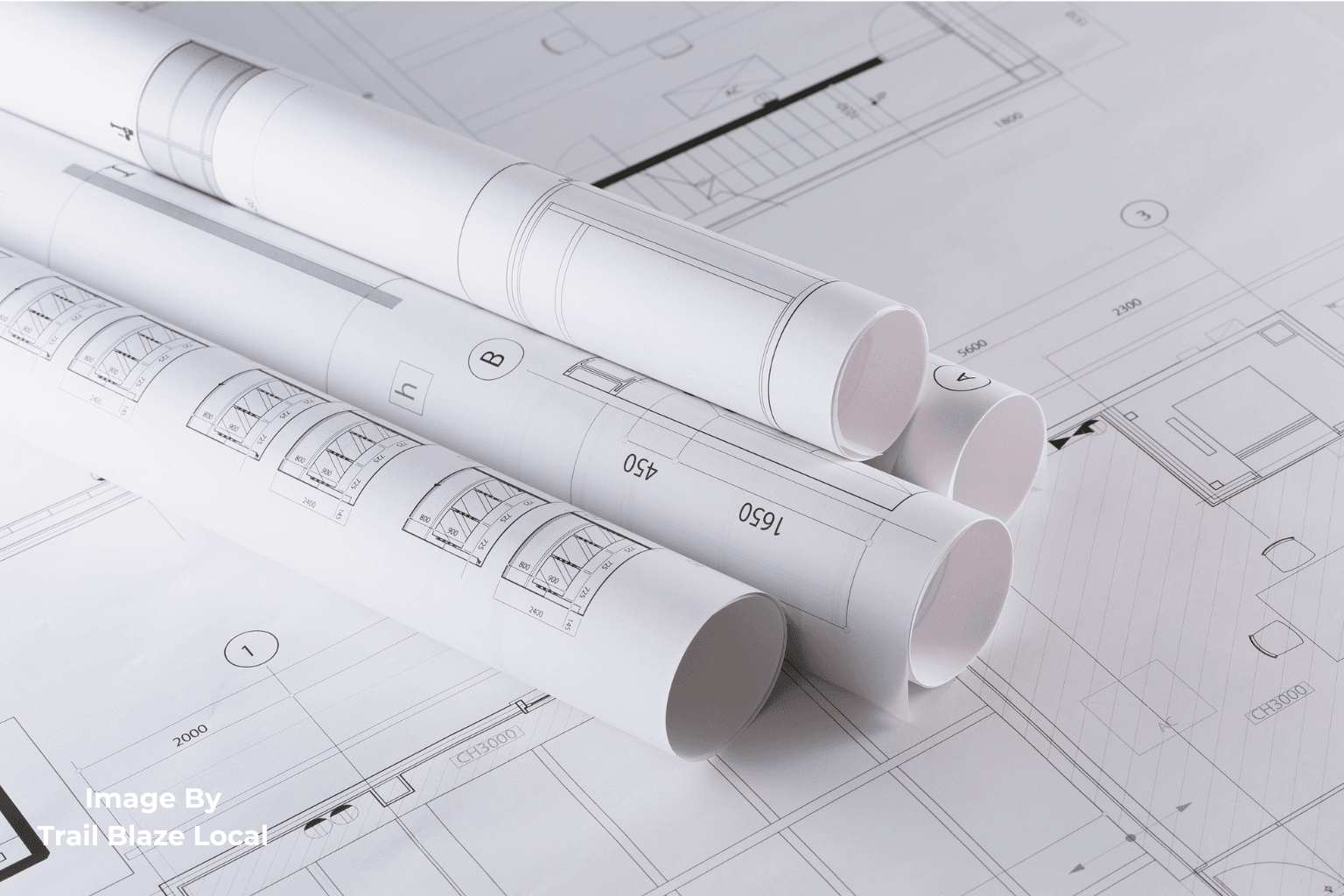
The decisions that could reshape Peterborough Peterborough is growing.
But how, where and at what cost?
Those questions sit at the heart of the city’s emerging Local Plan, the planning document intended to guide development through to 2043.
It might sound like another piece of council paperwork. In reality, it could affect the places people live, work, travel and spend their free time.
The plan addresses future housing, employment land, infrastructure and the protection of important areas.
And there is still an opportunity for residents to examine the proposals before the next stage.
Why should you care about a planning document?
Because decisions made on a map can eventually become changes on your doorstep.
A Local Plan helps determine where new development may be supported and what policies should apply when planning applications are considered.
That can have implications for:
It does not mean every proposed development will automatically happen.
Individual schemes may still require planning permission and further scrutiny.
But the Local Plan sets an important framework for those later decisions.
The deadline residents need to know Peterborough City Council’s Proposed Submission Local Plan consultation is scheduled to close at 11.59pm on Thursday 12 November 2026.
That is the date to put in your diary.
However, this isn’t simply a public vote on whether people like or dislike a proposal.
At this stage, representations are particularly concerned with whether the plan meets the relevant legal requirements and whether it is sound under the planning system.
That means the strongest responses will usually explain a specific concern and connect it to the relevant planning tests, rather than simply stating opposition to development.
What does ‘sound’ actually mean?
In broad terms, the planning examination considers whether a plan has been positively prepared, is justified, is effective and is consistent with national policy.
Residents do not need to become professional planners overnight.
But they should understand that a response about inadequate evidence, deliverability or infrastructure may be more relevant at this stage than a general statement that an area should never change.
If a particular proposed allocation concerns you, start by locating it in the published documents and reading the council’s explanation.
Then look at the evidence supporting it.
How to make your views count If you want to respond before the deadline, a practical approach is to:
The council’s website provides the documents and instructions for making a representation.
What happens after 12 November?
Once the consultation closes, the council will consider the representations received and progress the plan through the relevant statutory stages.
An independent planning examination is normally a key part of that process before a Local Plan can be adopted.
The exact timetable will depend on how the process develops.
For residents, the important point is that the current consultation window will not stay open indefinitely.
Don’t wait until the bulldozers arrive It is easy to ignore planning consultations until a development becomes visible on the ground.
By then, some of the biggest strategic questions may already have been considered.
Whether you support more homes, worry about infrastructure or want stronger protection for particular places, understanding the Local Plan is a way to engage with Peterborough’s future before those decisions move further along.
The consultation deadline is Thursday 12 November 2026 at 11.59pm.
Read the documents and find out how to respond on the Peterborough City Council Local Plan review page. |



0 Comments
Join the conversation
Be the first to comment
Share your thoughts above.