
Could Plug-In Solar Panels Cut Your Peterborough Electricity Bill? |
These small solar-electricity kits depend on safe connections, a sunny position and how much power you use during the day. |
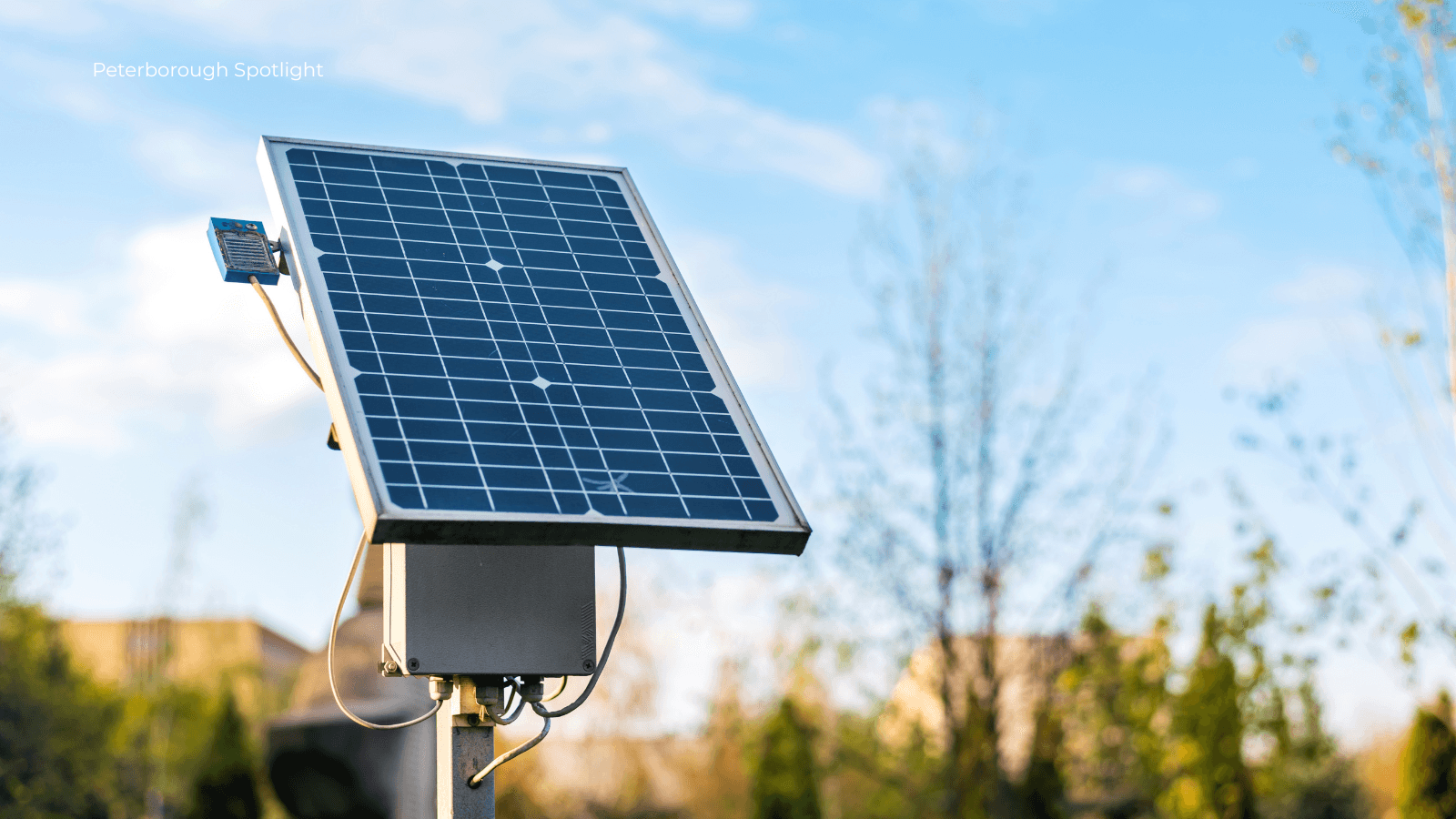
A small solar panel you plug in at home sounds almost suspiciously easy.
Put it outside, connect it to a socket and let the sunshine chip away at the electricity bill.
For some Peterborough households, that could work.
For others, it could mean spending £400 or more on a panel that produces very little, or discovering that the proposed setup is not safe or allowed at the property.
So, are plug-in solar panels worth it?
Sometimes. The best chance comes with a sunny, secure mounting spot, a suitable electrical circuit and regular daytime electricity use.
The savings are likely to be modest and depend on how much electricity you can use as it is generated.
What you're actually buying
A plug-in solar kit is a small solar-electricity system designed to feed electricity into your home through a socket.
It is not the same as a conventional rooftop installation, which is wired into the property by an installer and normally produces much more power.
The government says compliant plug-in solar systems became legal across Great Britain on 27 August 2026.
They are limited to an inverter output of 800VA per household. The inverter changes the panel's electricity into a form the home can use; VA, or volt-amperes, is a measure of its electrical output capacity.
That does not make every panel advertised online automatically safe or suitable.
The complete kit should appear on the Energy Networks Association's G98 register, a list of equipment assessed against rules for connecting small generators to the electricity network.
It should include the right inverter, plug and mounting equipment. Buying separate parts and piecing them together is not a clever shortcut.
Peterborough's network check
Peterborough sits in UK Power Networks' East of England distribution area.
That is the company involved in the notification process after a system is installed.
A compliant installation must be notified to the relevant distribution network operator, the company responsible for the local electricity cables within 28 days.
There is also a one-system-per-household limit.
The socket itself deserves attention.
Electrical Safety First advises using only the supplied plug and connecting it to a suitable socket circuit. Extension leads, adapters and multiway adaptors should not be used.
That is especially worth checking in older terraces and houses, where wiring may have been altered over the years and protective devices may not be obvious.
If you do not know the condition of the circuit, get a competent electrician to assess it before buying the kit.
The government's electrical-safety study found that tested systems could operate safely under defined conditions.
It also found differences in product performance.
In other words, the panel on the box and the way it is mounted both deserve attention.
A flat, terrace and house face different problems
A house with a sunny garden wall, balcony or suitable roof edge may have several possible mounting positions.
A terrace could have less outdoor space, more shade from neighbouring buildings and fewer places where a panel can be fixed securely.
For a flat, permission may be the biggest hurdle.
A balcony railing, outside wall or shared garden might belong to a landlord, the building's owner (the freeholder), or the company managing the building.
You may also need planning permission, the council's approval for certain changes, or listed-building consent, permission for work affecting a building protected for its historic or architectural interest.
Renters should ask before spending money.
A panel that can be unplugged is not automatically free from property rules.
It still needs to be mounted safely, and nobody wants a loose panel becoming a garden ornament after the first strong gust of wind.
Sunlight is just as important.
Trees, chimneys and nearby buildings can cut output.
Direction and angle affect generation too.
A panel in a bright-looking spot may still perform poorly for much of the day.
The bill-saving maths
Which? puts typical kit costs at around £400 to £500.
Its estimated annual savings sit at roughly £70 to £110, giving a possible time of about 3.6 to 7.1 years for the savings to cover the purchase cost before extra electrical or mounting work.
Those figures are estimates, not a promise for every Peterborough address.
A household that leaves for work and school in the morning may use less of its solar electricity than one with someone working from home, running appliances during the day or charging equipment while the sun is up.
Your savings depend on how much of the generated electricity you use.
If the panel is producing power while the house is empty, the saving can be smaller.
Before buying, look at your normal weekday routine.
When do you run the washing machine or dishwasher?
Is someone at home during the day?
Are there regular appliances using power in daylight?
The more of the generated electricity you use directly, the better the numbers are likely to look.
Five checks before you buy
• Is the complete kit listed on the G98 register?
• Is the mounting position sunny, secure and allowed by your landlord, freeholder or planning rules?
• Does the kit use its supplied plug, with no extension lead, adapter or multiway adaptor?
• Is the socket circuit suitable, particularly in an older property?
• Have you allowed for notification to UK Power Networks within 28 days?
Then look at the price again. A £400-to-£500 purchase may be reasonable for a home that can use the electricity during daylight.
It looks less attractive if the panel will be shaded, the property needs extra work or most of the generated power will go unused.
For some houses, reducing electricity use first may deliver a better return.
A conventional solar installation could also make more sense for a property with a suitable roof and a larger budget.
Plug-in solar is more likely to fill the gap for some renters and flat-dwellers who cannot install a full rooftop system.
Check the panel's location and your daytime electricity use together before spending.
If you're looking at a flat, terrace or house in Peterborough, save this checklist before buying.
For a follow-up, tell us which property type you're trying to make work and what has stopped you so far.
Summary
A compliant kit may reduce electricity bought from the grid, but purchase costs, mounting, wiring and daytime use affect the saving.
Check the complete kit and the installation requirements before paying.
|
0 Comments
Join the conversation
Be the first to comment
Share your thoughts above.