
Salt, grit and sore paws: the winter dog-walk check worth remembering |
A towel by the door and a look between the toes can make a useful winter routine. Know when discomfort needs a vet. |
The lead is back on its hook, the dog is indoors and the kettle is on.
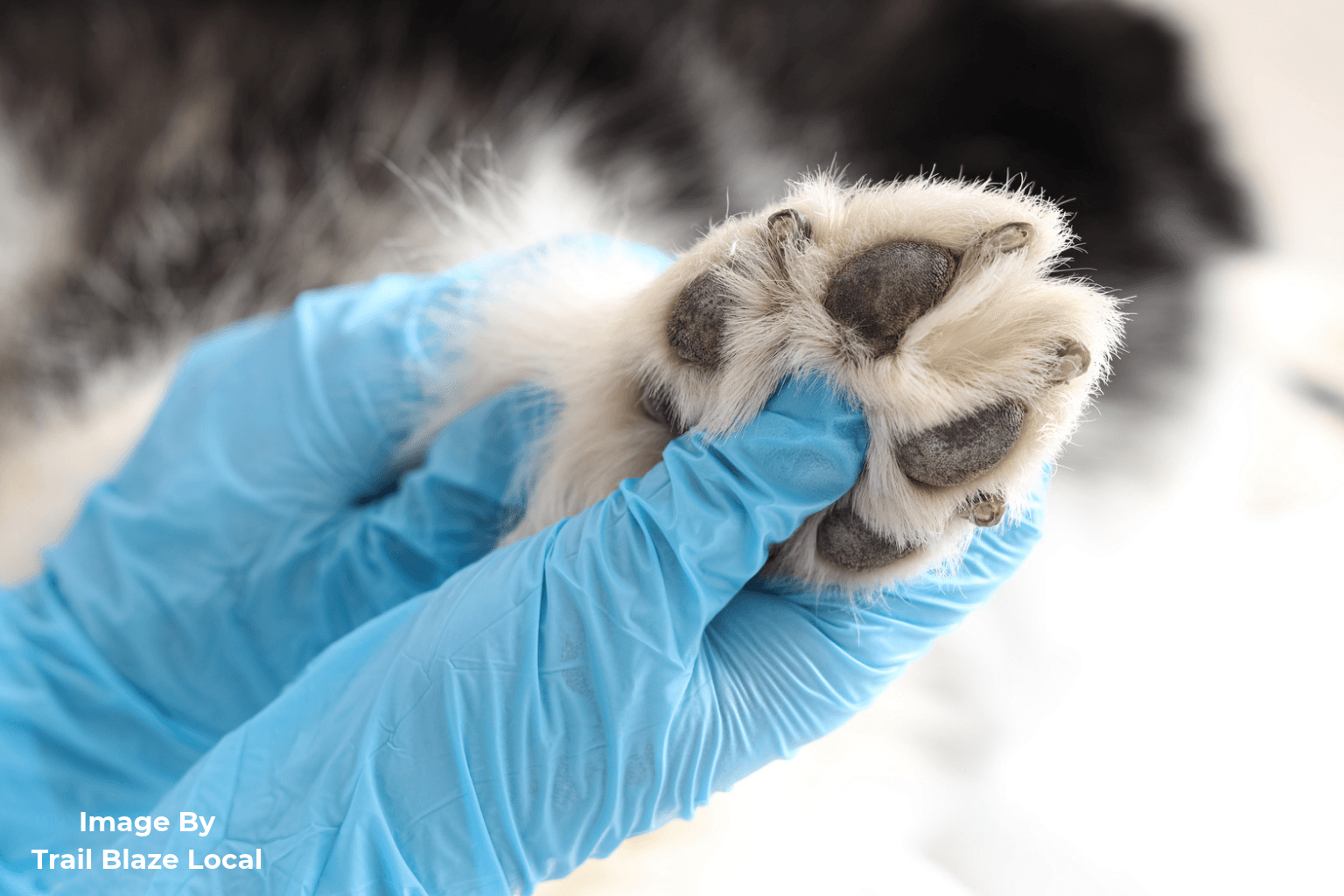
There is one more important winter job before everyone settles: check what has come home on those paws.
Salt and grit help people get about in icy weather, but they are not something you want a dog licking off after a walk.
A small routine by the door is more useful than a cupboard full of products bought after the first sore paw.
It also gives you a chance to notice a cut, something caught between the toes or a dog that is suddenly reluctant to put a foot down.
Make the return home part of the walk
The RSPCA advises thoroughly wiping dogs' paws and tummies after winter walks, then drying them.
Its warning covers grit, rock salt and antifreeze: exposure is especially concerning if a dog ingests them.
Have a towel ready before you go out. If paws need rinsing to remove residue, use clean, lukewarm water and dry them afterwards.
Check gently between the toes as well as underneath. The aim is to remove what is there, not scrub an already uncomfortable foot.
Blue Cross's winter guidance also warns about salt and grit irritating paws and getting caught between toes. Make the check calm and familiar; do not force a painful examination if your dog is distressed.
A dog that dislikes having its feet touched may need a slower approach.
Practise brief, comfortable handling at other times, and ask your vet about managing checks if pain or fear makes them difficult.
Plan for the route you actually use
Peterborough City Council explains its winter-maintenance service, including treated routes and the use of rock salt.
A gritted road is not a promise that the neighbouring pavement will be clear, or that every path has received the same treatment.
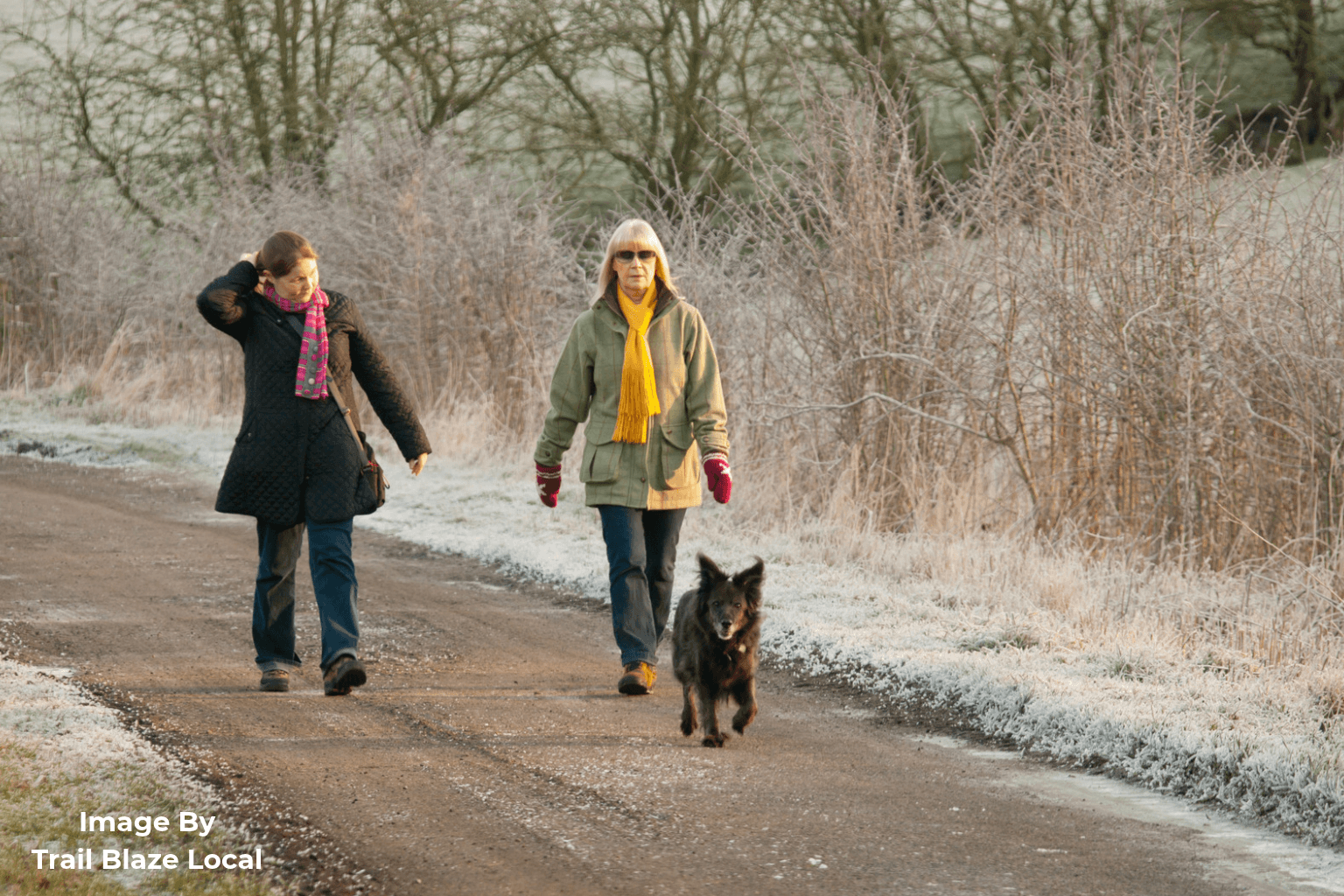
Look at the conditions outside your own door before deciding on the usual walking route.
A shorter, manageable outing may be more sensible than insisting on the normal distance when footing is poor.
Keep away from visible spills and do not let your dog investigate unidentified liquid around parked cars.
Avoid frozen ponds, including a familiar one that looks temptingly solid. Familiarity does not establish that ice will hold.
If you are considering boots or a paw product, ask your vet what suits your dog.
Equipment needs to fit and be tolerated; a product is no substitute for noticing an injury.
When the towel is not enough
Persistent licking, limping, bleeding or an obviously painful paw deserves veterinary advice.
Do not treat a change in walking as stubbornness and keep marching.
If you suspect your dog has swallowed rock salt or antifreeze, contact a vet immediately rather than waiting for symptoms.
Tell the practice what you think was involved, when it happened and what you have noticed.
Take packaging or a photograph if available, without delaying the call.
The routine does not have to be elaborate: a safe route, a check on the way home and attention when something is different.
It is a small addition to the walk, with rather more purpose than another muddy towel abandoned by the door.
For more useful local reading, subscribe free to Peterborough Spotlight.
Have a practical question we should investigate? Tell the Spotlight team, selecting Peterborough Spotlight and Feedback / opinion. |


0 Comments
Join the conversation
Be the first to comment
Share your thoughts above.