
What Should You Check Before Taking A Pet On A Long Car Journey? |
The safest trip starts before you turn the key. Here’s what Peterborough pet owners should sort out before setting off. |
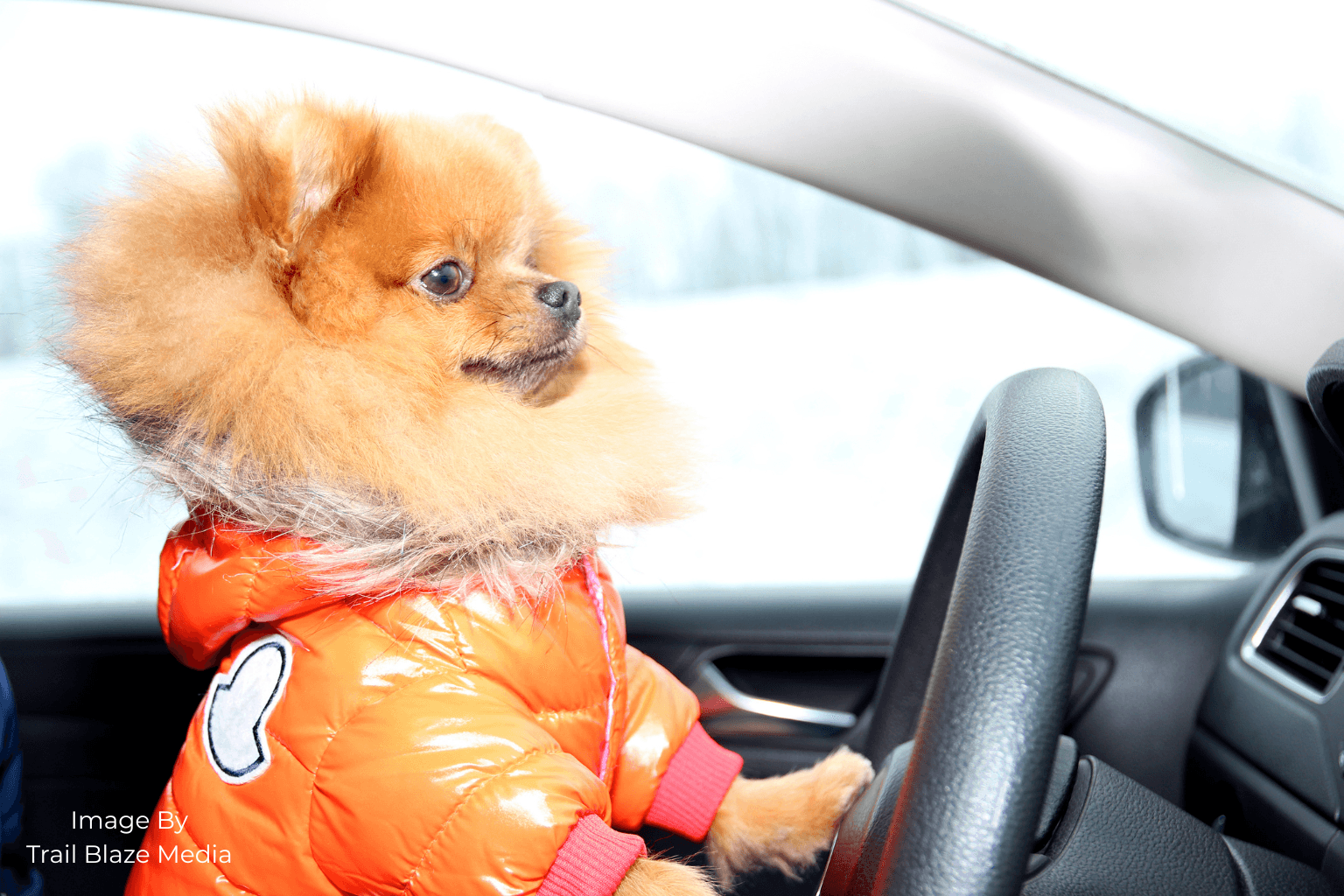
A four-hour car journey can be tiring enough when everyone in the vehicle understands what's happening.
Your dog doesn't.
Your cat certainly doesn't.
And if the only car journey your pet normally makes ends with somebody taking their temperature at the vet, they may have understandable concerns about where all this is heading.
Before setting off from Peterborough on a long drive, there are five things worth sorting out.
Restraint, practice, supplies, temperature and breaks.
Get those right and you've got a much better chance of reaching your destination without turning an A1 service station into an emergency pit stop.
1. Don't let your pet roam around the car
A dog sitting happily on the back seat might look perfectly safe. Until you have to brake suddenly.
Highway Code Rule 57 says animals should be suitably restrained so they can't distract the driver or injure themselves or other people if the vehicle stops quickly.
Depending on the animal, that could mean a suitable:
For a dog, use properly fitting equipment designed for travelling.
Cats and smaller animals should normally be in a strong, well-ventilated carrier that's secured so it can't slide around the vehicle.
And no, somebody holding the pet on their lap isn't the same thing.
It might feel reassuring while you're parked outside the house.
At 60mph, it's a very different arrangement.
2. Do a practice journey
If your pet rarely travels, don't make the first experiment a trip from Peterborough to Cornwall.
Start smaller.
Let them spend some time in the stationary car. Then try sitting with the engine running.
After that, take a short drive.
Gradually building up gives you a chance to see how your pet reacts before you're committed to several hours on the road.
Watch for signs that they're struggling.
These can include panting, drooling, shaking, whining, restlessness or repeatedly trying to escape.
Some animals experience motion sickness. Others find the noise, movement or confinement frightening.
If your pet regularly becomes distressed or sick while travelling, speak to your vet before attempting a long journey.
Don't experiment with human medicines or sedatives that haven't been prescribed for your animal.
Pets that are elderly, unwell, have breathing difficulties or take regular medication may also need individual veterinary advice before a long trip.
3. Pack for the animal, not just yourself
You remembered your phone charger.
Excellent.
Now what happens when the dog is sick 40 minutes into the journey?
Pack a small pet travel kit containing water, a bowl, poo bags, wipes, towels or spare bedding, food where necessary and any medication your pet needs.
Avoid giving a large meal immediately before travelling if your animal is prone to sickness.
Bring their normal lead and harness too, rather than discovering at a motorway services that the spare lead in the boot is approximately three sizes too small.
It's also worth having a recent photograph of your pet on your phone.
Hopefully you'll never need it.
But if an animal escapes somewhere unfamiliar, having a clear, current picture immediately available could be extremely useful.
4. Keep an eye on the temperature
A comfortable driver doesn't automatically mean a comfortable animal in the back.
Make sure air can circulate properly around your pet's carrier or travelling area, and use the vehicle's ventilation or air conditioning when necessary.
Check them regularly.
Don't let a dog travel with its head hanging out of the window. Grit, debris and insects can cause injuries, and an excited dog may struggle against its restraint.
Most importantly, don't plan stops that involve leaving your pet alone in a parked car.
Cars can become dangerously hot surprisingly quickly, and parking in shade doesn't make that risk disappear.
Build your journey around stops where the animal can remain with you.
5. Plan pet stops as well as people stops
Humans aren't the only passengers who need a break.
Before leaving Peterborough, look at your route and decide roughly where you'll stop.
For dogs, choose somewhere you can safely offer water, allow a toilet break and give them a chance to stretch their legs.
But don't open the door first and then start looking for the lead.
Attach it before the dog gets out.
Service stations and unfamiliar car parks can be noisy, busy places, and even a normally calm animal can react differently when frightened or excited.
Cats and smaller animals should stay inside their carrier unless you're somewhere genuinely secure.
Use each stop to check the travelling equipment too.
Has the harness loosened?
Has the carrier moved?
Is your pet comfortable?
Five minutes spent checking can prevent a much bigger problem further down the road.
Do the boring checks at home
The most useful preparation happens before anybody gets into the car.
Try the harness. Secure the carrier. Take a practice drive. Pack water. Plan the stops.
Because halfway up the A1 is a terrible place to discover that the carrier door doesn't close properly.
And if your pet becomes particularly anxious, sick or unwell when travelling, speak to your vet rather than trying to improvise a solution on the day.
A little preparation won't necessarily make your cat like the journey. Let's keep our ambitions realistic.
But it can make travelling considerably safer and less stressful for everybody involved.
What makes travelling with your pet easier?
Peterborough pet owners: what's the one thing you now always do before a long car journey?
Maybe you've found a better way to organise breaks, helped a nervous dog get used to travelling or discovered one item that's permanently earned a place in the pet travel bag.
Share what worked for you but please don't post personal contact details or information that could identify your home.
Comment Below
|
0 Comments
Join the conversation
Be the first to comment
Share your thoughts above.