
Main Article Headline |
The EPC certificate can be ten years old, but that does not mean it is still the right one to use. |
If you're getting ready to sell your Peterborough home, the EPC is exactly the sort of job that's easy to put off.
Photos? Booked.
Estate agent? Sorted.
You've even moved the pile of coats that has apparently lived on the spare-room chair since 2019.
Then somebody asks:
“Have you got the EPC?”
Ah.
Fortunately, this is usually a quick thing to check and doing it early can save an annoying last-minute scramble.
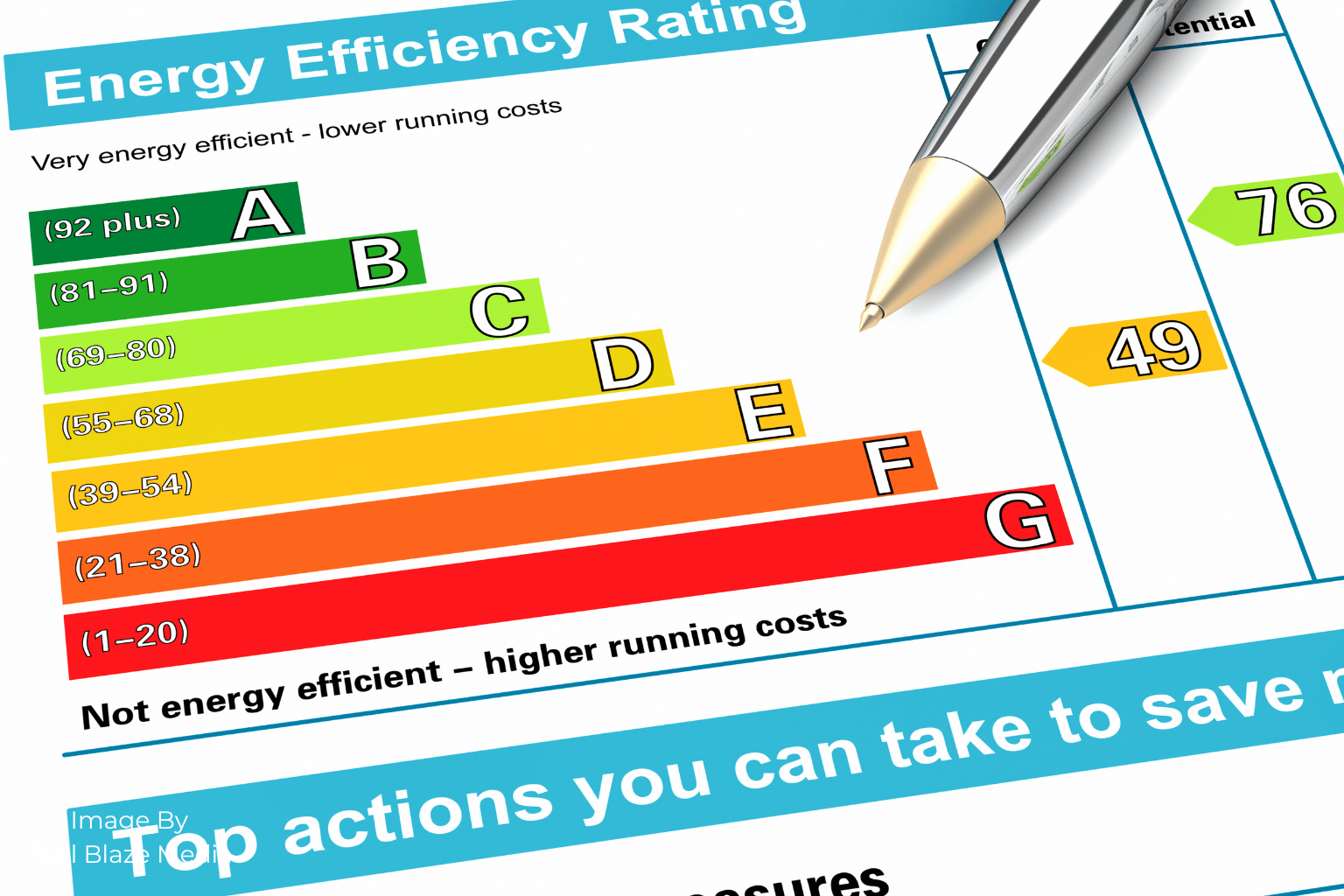
An Energy Performance Certificate (EPC) shows how energy efficient a property is, using a rating from A (most efficient) to G (least efficient).
Before a home is marketed for sale, the seller normally needs to have a valid EPC or have commissioned one, and the energy rating needs to appear in commercial advertising.
So, before your Peterborough property goes live, here's what to do.
1. Check whether you already have one
Don't immediately pay for a new EPC.
Search the national EPC register first using the property's address.
An EPC is generally valid for 10 years, so if you bought your home within the last decade, there's a reasonable chance one already exists.
Check the date rather than relying on memory.
“We definitely had one when we moved in” is useful information.
“We moved in... maybe eight years ago? Or was it eleven?” is somewhat less useful.
Also check whether a newer EPC has been issued since then. If it has, that's the certificate you'll want to look at.
2. Does it still describe your home?
Finding an in-date certificate is good.
Now look at what has changed since it was produced.
Have you replaced the boiler or heating system? Added insulation? Changed the windows? Built an extension or carried out other substantial work?
You don't automatically need a new EPC every time you improve something.
But if the property has changed significantly, it's worth checking whether a fresh assessment would be appropriate.
An energy assessor is the qualified person who visits the property, records information about things such as its construction, heating and insulation, and produces the EPC.
If you're unsure whether an older certificate still makes sense for your home, ask an accredited assessor rather than guessing.
3. Make sure your estate agent has the rating
The EPC isn't something to worry about after you've found a buyer.
The energy rating needs to appear when the property is commercially advertised.
So when you're preparing the listing, make sure your estate agent can access the correct certificate and rating.
This is worth doing before everyone is discussing photography dates and when the Rightmove listing can go live.
Five minutes spent checking now beats several phone calls beginning with, “I could have sworn it was in that folder...”
4. Don't panic about the recommendations
An EPC doesn't just give your home a rating.
It may also recommend ways the property's energy efficiency could potentially be improved, such as better insulation or changes to the heating.
These are recommendations, not automatically a compulsory pre-sale shopping list.
You don't have to frantically replace everything mentioned simply because you're selling.
That doesn't mean buyers will ignore the information.
If the EPC has a lower rating or suggests expensive improvements, somebody viewing the property may ask about it.
If you've already made improvements since the certificate was produced, it's useful to know that too.
The sensible approach is to understand what your EPC says before your buyer does.
5. Need a new EPC? Use an accredited assessor
If the existing EPC has expired, there's no certificate or you decide a new assessment is appropriate, arrange one through an accredited energy assessor.
“Accredited” means they're registered through an approved scheme and authorised to carry out the assessment.
Prices can vary depending on the assessor and property, so get a quote rather than assuming there's one standard Peterborough price.
And don't leave the booking until the day before you want the house advertised.
There are enough last-minute jobs when selling a home without voluntarily adding another one.
What if your property is exempt?
Some properties can be exempt from EPC requirements in particular circumstances.
That can include certain listed or protected buildings and some small detached buildings.
But don't assume “my house is old” or “it's listed” automatically means you don't need an EPC.
The rules are more specific than that.
Check the official requirements and get professional advice if you're uncertain. Keep evidence supporting an exemption too, rather than simply leaving the EPC information off the listing and hoping nobody notices.
The five-minute Peterborough seller check
Before you put your home on the market:
Find the EPC. Check its date. Check it still makes sense for the property.
Make sure your estate agent has the rating.
Then decide whether you actually need a new assessment.
That's it.
Not the most exciting part of selling your home, admittedly.
But discovering an EPC problem while you're still preparing the property is considerably less irritating than discovering one when the photos are finished and you're waiting for the listing to go live.
Selling a home in Peterborough?
What bit of the pre-sale paperwork has left you scratching your head EPCs, conveyancing, property forms, searches or something else?
Leave your question below, without sharing your address or private documents.
The most common questions could become our next plain-English Peterborough property article. |
0 Comments
Join the conversation
Be the first to comment
Share your thoughts above.