
Main Article Headline |
Fix defects first, then compare project cost with likely sale-value uplift before investing in major home improvements. |
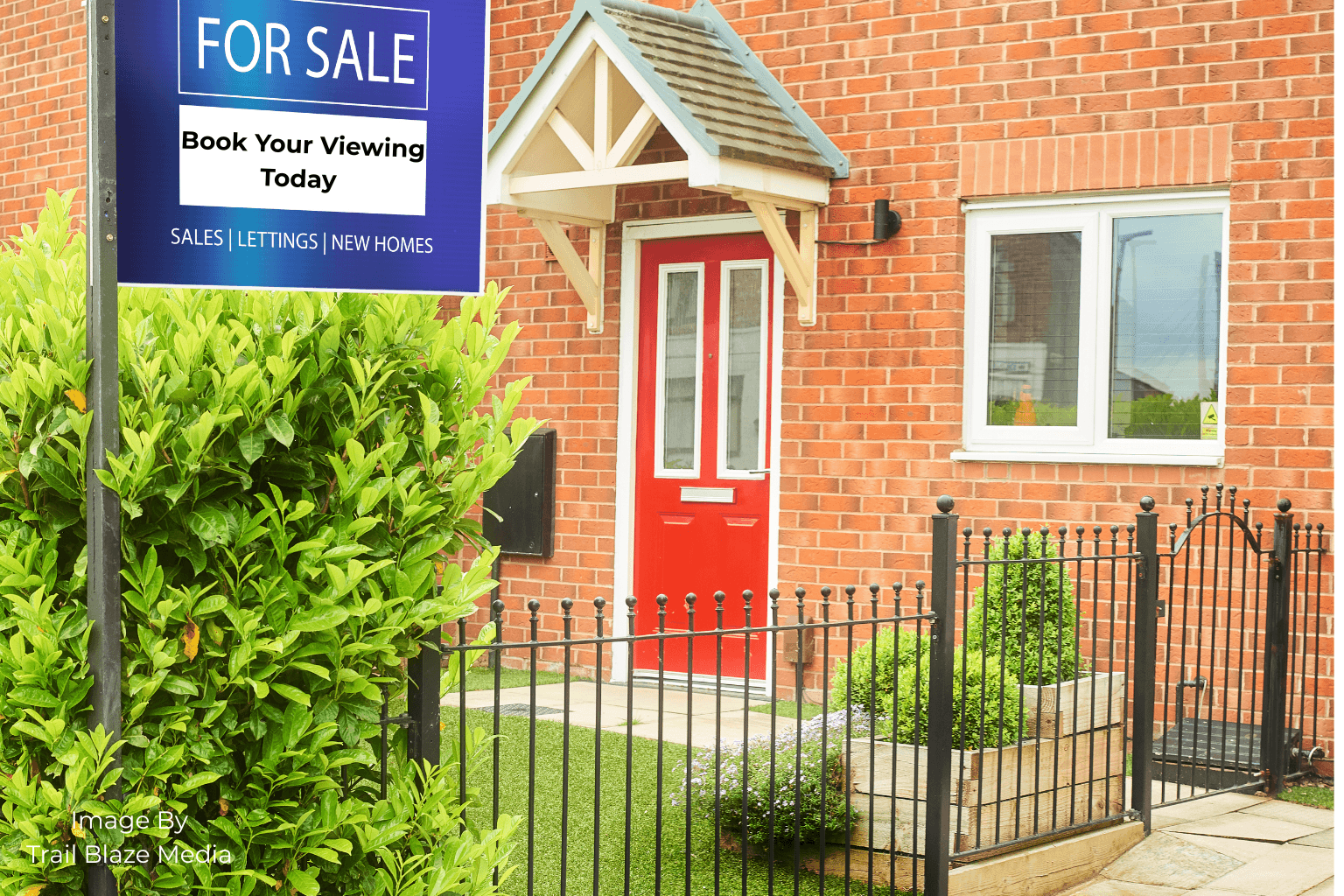
Selling Your Peterborough Home? Don't Spend £20,000 to Add £10,000
You decide to sell the house.
Then you look around.
The kitchen suddenly seems dated.
The bathroom could do with replacing.
Perhaps new windows would make a difference.
Maybe knocking that wall through would create the open-plan kitchen everyone apparently wants.
A few evenings on renovation websites later and you've mentally spent £30,000 on a house you're planning to leave.
Stop!
Before spending thousands trying to make your Peterborough home worth more, find out whether buyers are actually likely to pay you back for it.
Because spending £20,000 on a house doesn't automatically add £20,000 to its value.
Sometimes it doesn't come close.
Fix What's Broken Before Making What's Fine Look Prettier
Start with the boring stuff. Leaking gutter. Missing or damaged roof tile. Broken boiler. Window that's failed. Half-finished repair. Obvious source of damp. Dodgy-looking electrics. Door that hasn't closed without a shoulder barge since 2019.
Those things give buyers reasons to worry.
A beautifully decorated bedroom isn't going to distract somebody for long if they're looking at a damp patch on the ceiling and wondering what's happening above it.
And remember that the buyer may have a survey carried out.
That means the repair you've been ignoring because “it's never really bothered us” may soon be sitting in a report in front of them.
Deal with defects first.
Then think about everything else.
£114,000 Flat or £384,000 Detached House?The Maths Isn't the Same
Peterborough's housing market isn't one market at one price.
ONS figures for June 2026 put average prices at roughly:
Flats and maisonettes — £114,000 Terraced homes — £193,000 Semi-detached homes — £246,000 Detached homes — £384,000
That context matters when you're considering a major project.
A £30,000 improvement represents a very different proportion of the value of a £114,000 flat from a £384,000 detached house.
It also matters where the property sits within its local market.
There will usually be a point where buyers looking on your street simply won't pay much more, however expensive your kitchen taps were.
Before doing anything major, look at what similar properties have actually sold for, rather than what sellers are asking.
You can search sold prices through the government's Land Registry service:
HM Land Registry — Search sold property prices:
Look for similar homes nearby.
What did an unimproved one sell for? What about one with an extension? Is there evidence buyers are paying substantially more for the extra space?
Now you're dealing with numbers rather than renovation enthusiasm.
Some Jobs Make a House Easier to Sell Without Transforming Its Value
Not every job needs to add £10,000 to the asking price to be worthwhile.
Some simply stop buyers being put off.
A tired room might look completely different after filling holes, touching up paint and giving it a thorough clean.
An overgrown garden can make the whole property feel neglected.
A garage packed floor-to-ceiling with boxes makes it difficult to see how much space is actually there.
And the spare bedroom currently containing an exercise bike, Christmas decorations, ironing board and seventeen unidentified charging cables isn't showing anybody what the room could be.
Before spending heavily, try the cheaper jobs:
None of that is particularly glamorous.
But you're selling the space, not your collection of possessions. Let buyers see it.
Kitchens and Bathrooms Need More ThoughtHere's where spending can get away from you.
You look at the kitchen and think:
“Nobody will want this.”
Maybe.
But replacing it could cost thousands.
And the buyer might walk in, admire your brand-new grey cabinets for eleven seconds and think:
“First thing we're doing is ripping this kitchen out.”
Taste is personal.
The same goes for bathrooms, flooring, tiles and decoration.
If something is broken, filthy or in terrible condition, that's one thing.
Replacing a functioning kitchen simply because it isn't fashionable is another.
Ask yourself whether you're removing a genuine problem or choosing the next owner's décor for them.
Those aren't the same job.
Extensions and Loft Conversions Can Add Value — But Do the Sums
Adding usable space can change what a property offers.
An extension might create the kitchen and dining area the house currently lacks.
A loft conversion could add another bedroom and perhaps a bathroom.
RICS notes that extensions and conversions can add value, but what they add depends on the property, the work and the local market.
There's also the cost of getting there.
Building work. Professional fees. Planning requirements where applicable. Building Regulations. Possible disruption.
And the inevitable moment halfway through the project when somebody discovers something nobody included in the original quote.
If you're planning to live there for another five or ten years and your family needs the room, the calculation isn't purely financial.
You'll get to use the extra space.
If you're doing it solely because you're putting the house on the market afterwards, I'd want much stronger evidence that the numbers stack up.
RICS has consumer information covering extensions and home improvements here:
Ask Estate Agents Two Questions, Not One
Before spending £25,000 on a pre-sale project, invite two or three local estate agents round.
Don't just ask:
“What's my house worth?”
Ask:
“What do you think it would sell for as it is?”
Then:
“What do you think it would sell for if we did this work?”
Be specific. New kitchen. Loft conversion. Extension. Bathroom. Whatever you're considering.
Then get genuine quotes for the work.
Suppose agents think the house might sell for £300,000 now. You spend £25,000.
Afterwards, they think it might achieve £315,000.
You've spent £25,000 chasing an estimated £15,000 increase.
And you've had months of builders, dust and decisions about plug sockets for the privilege.
That doesn't look quite as tempting.
Remember the Ceiling PriceEvery area has a market.
If similar houses on your street are selling around £250,000, spending £80,000 doesn't necessarily turn yours into a £330,000 house.
Buyers compare.
They'll see what else £330,000 buys them elsewhere in Peterborough.
Perhaps that gets them another bedroom.
A larger garden.
A garage.
A different school catchment.
A detached property instead of a semi.
That's why sold prices matter.
Your renovation budget doesn't set the value.
Buyers do.
There's Another Cost: Time
Suppose the project does add slightly more value than it costs.
You still have another calculation.
How long will it take?
If you're planning to move anyway, do you want to delay putting the house on the market for three months while a new kitchen goes in?
What happens if the project overruns?
What if costs rise?
What if the market changes while you're waiting?
Money isn't the only thing you're spending.
Sometimes accepting a slightly lower sale price and letting the next owner do the work is a perfectly reasonable decision.
Before You Spend £20,000, Spend an Afternoon
If you're thinking of selling your Peterborough home, don't start at the kitchen showroom.
Start with the house.
Fix the things that are broken.
Finish the jobs that have been sitting half-done.
Clear the clutter.
Make the place clean and easy to view.
Then, if you're considering a major improvement, check nearby sold prices and speak to more than one local agent.
Find out:
What could it sell for now? What might it sell for after the work? What will the work actually cost? How long will it take?
Put those four answers beside each other.
If spending £25,000 is likely to add £35,000 and the work is straightforward, you've got something to consider.
If spending £25,000 is likely to add £15,000, perhaps leave the kitchen brochures where they are.
The next owner might prefer a different one anyway. |
 |
Thinking Of Selling Your Home Get Our Weekly Updates For Homesellers With Peterborough Home Seller Insider |
0 Comments
Join the conversation
Be the first to comment
Share your thoughts above.