
The Shopping Habits That Really Cut The Bill |
The biggest saving may not come from chasing every money of sticker. It starts with where you do your big shop, then comes down to planning, prices and waste. |
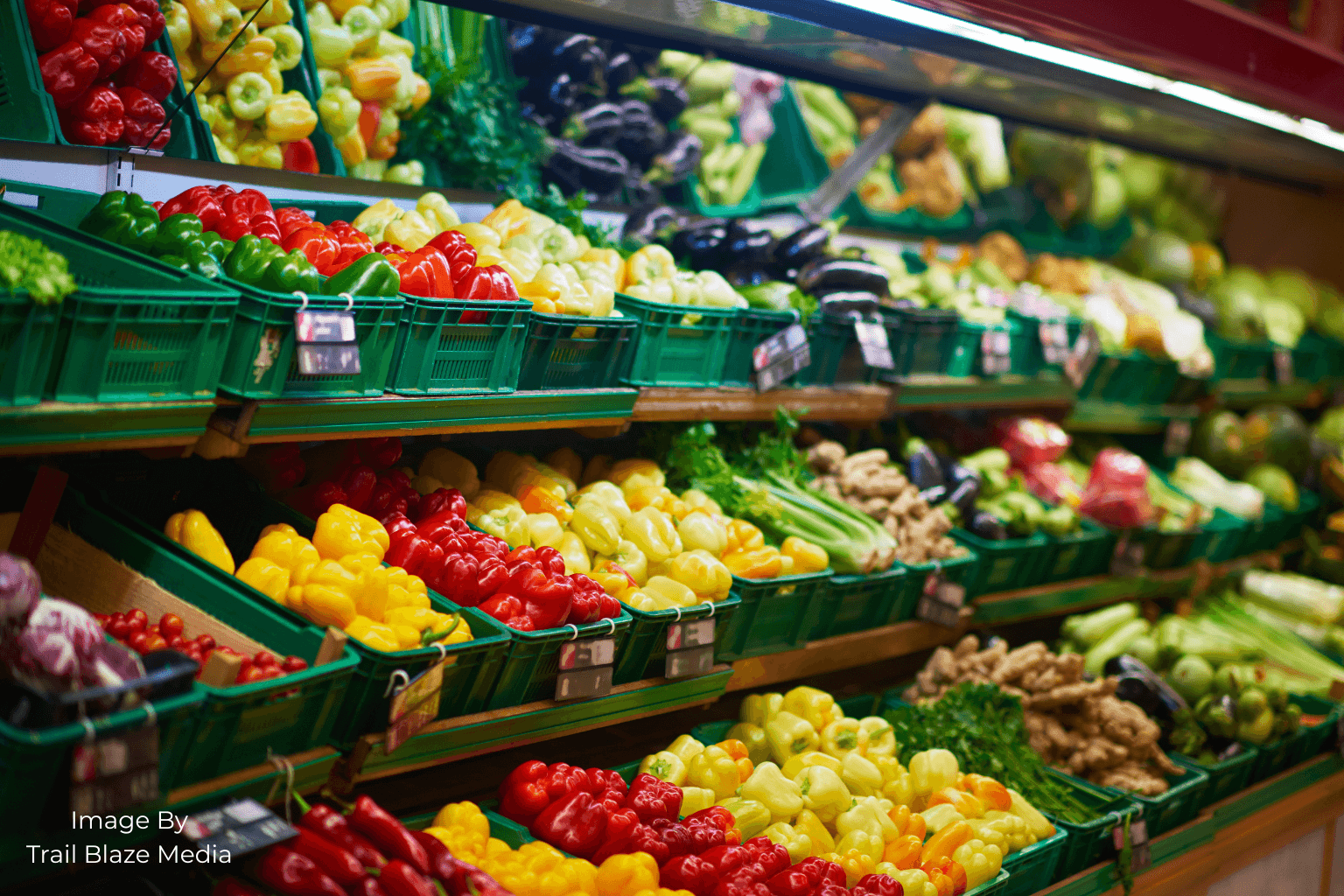
How to Cut Your Food Shopping Bill in Peterborough
You go in for milk.
Maybe bread.
Definitely nothing else.
Twenty minutes later, you’re walking out £24 poorer with a bag containing milk, bread, crisps, something that was on offer, a packet of biscuits you absolutely did not need and somehow still no idea what you’re having for dinner.
We’ve all done it.
And that gets to the slightly annoying truth about cutting your food bill.
The biggest saving probably isn’t hiding in one spectacular special offer.
It comes from changing how you shop in the first place.
For most households, the order is fairly simple: choose a cheaper place for the big shop, plan what you actually need, compare prices properly and stop expensive emergency top-ups becoming part of the weekly routine.
Then there’s food waste.
Not particularly exciting, admittedly. Nobody has ever rushed into work on Monday morning shouting, “You’ll never believe what I did with half a courgette last night.”
But over a year? It matters.
So, where should Peterborough households start?
Start With the Supermarket, Not the Special Offers
It’s easy to get distracted by yellow stickers, loyalty prices and “buy two, save 80p” signs.
But the name above the supermarket door can make a much bigger difference.
A Which? comparison of 92 grocery items in August 2026 found the average basket cost £159.36 at Aldi and £161.10 at Lidl.
At Asda, the same basket averaged £185.21. At Tesco, including Clubcard prices, it was £189.45.
Waitrose came in at £223.75.
Now, that does not mean your weekly Peterborough shop will match those figures.
Unless you happen to buy exactly the same 92 products on exactly the same dates which would be slightly weird, frankly.
Your own basket, the branch you visit and what you buy will change the result.
But look at the size of the gap.
That makes your choice of supermarket one of the first things worth examining, rather than something to think about after spending half an hour comparing the price of baked beans.
And Peterborough shoppers have options.
Lidl lists three stores in the city, including Lime Kiln Close, Lincoln Road and Sugar Way. Asda has stores at West Rivergate Shopping Centre and Brotherhood Shopping Park.
Of course, this doesn't mean driving across Peterborough to save 17p on a cucumber.
Fuel matters.
So does your time. Parking can matter. Delivery charges can matter too.
But moving the main weekly shop to a cheaper supermarket, then picking up only the awkward, branded or specialist items elsewhere, could make a much bigger difference than chasing dozens of tiny individual discounts.
Plan Before You Leave the House
Here comes the deeply unglamorous money-saving secret. Write a shopping list.
Sorry.
I know.
You were hoping for something more ingenious.
But the boring stuff often works.
Before leaving home, look in the cupboards. Check the fridge. Have a rummage through the freezer and discover the mysterious container you froze three months ago and promised yourself you'd definitely label.
Then work out a few meals.
MoneyHelper cites research showing that 60% of people who use a shopping list say it saves them money.
It makes sense.
A list means fewer impulse purchases, fewer duplicates and less chance of arriving home to discover you have somehow bought four possible side dishes but nothing that constitutes an actual meal.
And you don't need to plan every mouthful for the next seven days. For some people, that works brilliantly.
For others, a detailed seven-day meal plan lasts until approximately Tuesday lunchtime.
Try planning three or four dinners instead, with one or two easy fallback meals in reserve.
Pasta. Something from the freezer. Beans on toast. Whatever works in your house.
Because you know what gets expensive?
Getting to Wednesday evening, opening the fridge and asking:
“What are we actually having?”
That's when the takeaway app starts looking dangerously attractive.
Stop Turning Top-Up Shops Into Second Food ShopsConvenience stores are useful.
That's why they're called convenience stores.
But there's a difference between buying the milk you genuinely need and accidentally conducting half of Thursday's supermarket shop in one.
Which? found that a 42-item basket averaged £16 more at Morrisons Daily than at larger Morrisons supermarkets.
The equivalent premium was £11 at Sainsbury's Local and £10 at Tesco Express compared with larger versions of those chains for loyalty members.
Again, those figures won't match every Peterborough branch, product or shopping trip.
But the habit is worth watching.
One £8 top-up doesn't look particularly alarming.
Neither does another £12 visit two days later.
Then there's £7 because you forgot something for dinner. Then £14 on Sunday morning because there isn't anything for breakfast.
Suddenly the “little shops” have become a sizeable chunk of the week's food bill.
Ever checked your bank statement and realised quite how many times you've visited a supermarket in seven days?
It can be mildly horrifying.
Use the local shop when you genuinely need something tonight. Just try not to let the entire week's food arrive home one carrier bag at a time.
Ignore the Big Price — Look at the Small OneSupermarkets are very good at making offers look exciting.
2 FOR £5! FAMILY PACK! BIG VALUE!
Lovely.
But is it actually cheaper?
This is where the tiny unit price on the shelf label becomes surprisingly useful.
Look for the cost per kilogram, litre or individual item. It makes comparing different packet sizes and branded versus own-label products much easier.
Because bigger doesn't automatically mean better value.
And an offer isn't a saving if you didn't need the second packet.
This can also make loose fruit and vegetables worth checking.
If you need two onions, buying two onions can make more sense than buying a bag of eight because the bag looks better value.
Especially when six of them are still sitting there three weeks later looking increasingly philosophical.
The same principle applies to loyalty cards.
Use them.
Absolutely.
Just don't let them do the shopping for you.
In the Which? comparison, Tesco's Clubcard reduced the test basket by £3.52, while Nectar reduced Sainsbury's basket by £9.78.
That's useful money.
But a loyalty price on something you weren't planning to buy isn't automatically a bargain.
Sometimes you've just bought an unnecessary thing more cheaply.
Use the Food You've Already Paid For
This might be the easiest saving to overlook because there isn't a supermarket involved at all.
It's already sitting in your kitchen.
MoneyHelper, drawing on Love Food Hate Waste figures, says using or freezing leftovers could save an average family £720 a year.
As ever, treat that as an estimate rather than a promise that every Peterborough household has precisely £720 hiding underneath the broccoli.
But it illustrates the scale of the problem.
Food that goes into the bin isn't just wasted food.
It's money you've already spent.
Bread is an obvious place to start. If you regularly throw away the end of a loaf, freeze half when you buy it.
Got vegetables approaching the “eat me today or regret it tomorrow” stage?
Soup. Pasta sauce. Curry. Stir-fry.
Or chop them up and freeze them if they're suitable.
And keep an eye on use-by dates, particularly for meat, fish and dairy products.
One useful trick is ridiculously simple: put the food that needs eating first where you can actually see it.
Because the back of the fridge is where good intentions go to die.
Try the Four-Week Test
Here's the bit I'd actually try.
Don't attempt to become the Olympic champion of frugal shopping overnight.
Change one thing for four weeks.
Pick one.
Then look at what you actually spent after four weeks.
Not what an advert says you could save.
Not what somebody on TikTok claims they spend feeding six people, two dogs and apparently an entire rugby team.
Your number.
If it works, keep it.
Then try another change.
Because for Peterborough households, the biggest prize probably isn't becoming a perfect bargain hunter who knows the price of every tin of tomatoes within a six-mile radius.
It's making fewer expensive decisions when you're hungry, rushed or already halfway through the week.
And that's a much easier habit to change.
What's Your Peterborough Food-Shopping Trick?
Now we're curious.
Have you found a combination of Peterborough supermarkets that genuinely brings your weekly bill down?
Perhaps you do the main shop at Aldi or Lidl, then head somewhere else for a handful of things.
Maybe switching supermarkets didn't save you much at all.
Or perhaps you've identified the real danger to your household finances:
“I'll just pop in for a few bits.”
Tell us where you shop and what you changed.
The more specific, the better.
Because the most useful comparison might not be between theoretical supermarket baskets.
It might be how real Peterborough households are actually making their food budget stretch further.
Please comment below |
0 Comments
Join the conversation
Be the first to comment
Share your thoughts above.