
Why Your Windscreen Keeps Misting Up |
Why your windows mist up, which buttons to press and why a tiny clear patch is not enough |
You start the car on a cold Peterborough morning, reach for the controls and find the windscreen has turned milky. The school run, commute or supermarket trip is suddenly on hold. That is exactly when it should stay on hold. Do not set off until you can see clearly through the windscreen, side windows and mirrors. The Highway Code says that before you set off you should make sure the mirrors are clear and the windows are demisted thoroughly (Rule 229), and that in fog you should use your windscreen wipers and demisters. The quickest safe fix is usually the car’s demist setting, warm air directed at the windscreen and the air conditioning switched on. It may feel odd to use air conditioning in winter, but it helps remove moisture from the air inside the car. If your vehicle has automatic climate control, press the front windscreen demist button and let the system do its work. Why Does The Glass Mist Up?Misting is condensation. Moisture in the cabin comes from ordinary things such as people breathing, wet coats, muddy shoes, damp floor mats or a dog that has been out in the rain. When that damp air touches cold glass, it turns into the fine film that blocks your view. The inside of the windscreen can also be dirty or greasy, which gives moisture more surface to cling to. A clean interior screen will not solve a damp cabin, but it can make the glass clear faster and reduce smears. The Button Sequence That Usually WorksStart the engine and select the front windscreen demister. Direct the airflow at the glass rather than your feet. Use warm air, switch on the air conditioning if the car allows it and select fresh air instead of recirculation. Recirculation keeps sending the same damp cabin air around the car. Fresh air gives the system a better chance of removing that moisture. The exact buttons vary, so your vehicle handbook is the final word for your model. If the windows are still slow to clear, open a window slightly for a short time if it is safe and sensible to do so. This can let humid air out. Keep the car stationary until visibility is clear. Do not forget the rear window and heated mirrors if your car has them. They are easy to overlook when the front windscreen is the obvious problem, but a clear front view does not compensate for mirrors or other windows you cannot see through. The AA advises wiping misted windows with a lint-free cloth rather than your hand, because hands leave greasy smears. What Not To DoDo not pour boiling or very hot water over the windscreen. A sudden temperature change can damage the glass, and the water may freeze again if conditions are cold. The AA warns that hot water on a windscreen risks damaging it. Do not drive with a small letterbox-shaped patch cleared in front of you. The RAC says not to move off until all the glass surfaces on your car are clear, and to pull over somewhere safe and wait if misting blocks your view. You need a proper view through the windscreen, side windows and mirrors before joining Peterborough traffic. And do not treat a quick wipe while moving as a solution. If the glass mists again, pull over somewhere safe before dealing with it. How To Stop It Coming BackRemove wet coats, umbrellas and shoes from the cabin when you can. Check the floor mats for trapped water, and dry them out if they are soaked. Keep the inside of the windscreen clean using a suitable glass cleaner and a lint-free cloth. If condensation keeps returning long after the car should have warmed up, look for a deeper cause. Damp carpets, water leaks, blocked airflow or an air-conditioning fault can all contribute. The RAC also points to wet clothing, leaks and airflow problems as possible reasons for persistent misting. That is when it is time to check the handbook or arrange a proper inspection rather than simply wiping the glass every morning. A car that stays damp inside is unlikely to fix itself through determination and a sleeve. For Peterborough drivers, the rule is simple: clear the glass before the car moves. Use the demister, warm air, air conditioning and fresh-air setting; clear every window and mirror you rely on; then set off only when visibility is genuinely unrestricted. If you have a reliable way to reduce repeat misting in your own car, tell us what works for your model at Trail Blaze. Specific tips about the car, not just “wipe it harder”, could help shape a follow-up. |
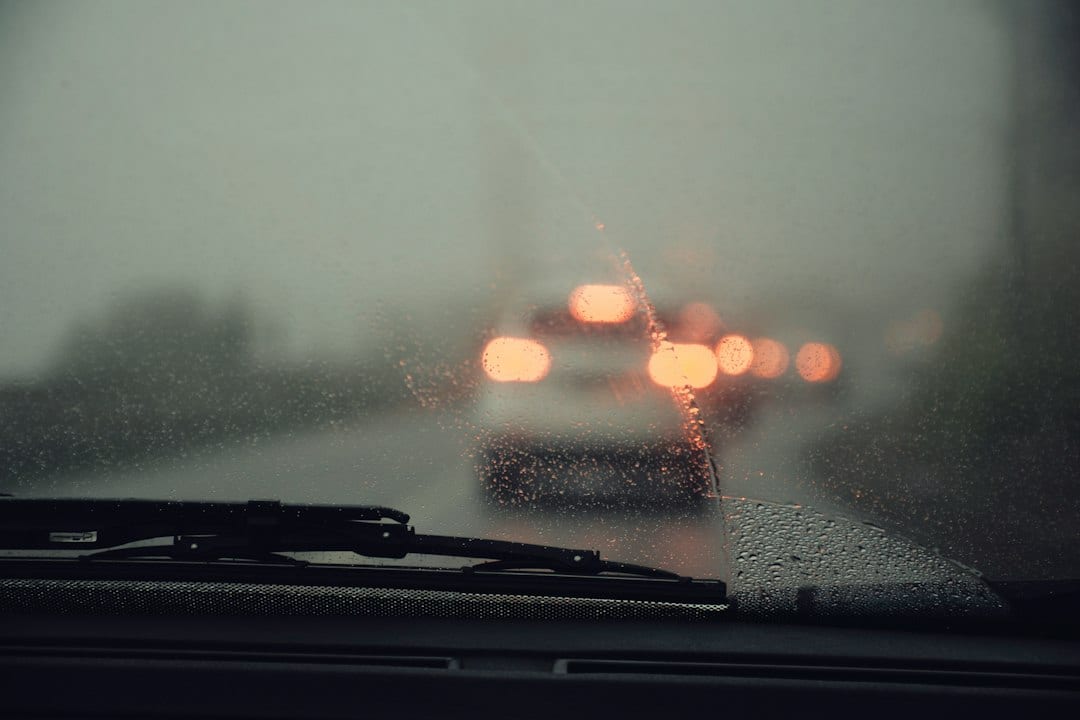 Looking out through a rain-streaked windscreen. Illustrative photo. Photo by Hossein Soltanloo on Unsplash |



0 Comments
Join the conversation
Be the first to comment
Share your thoughts above.