

The Weeks Peterborough Spotlight |
Housing traps. Energy shocks. Estate dogs vs fences. Cash buyer wars. Unfiltered, every week.
Hi Peterborough.
This week we have put together an extra-sized Easter issue covering the stories, advice, and local nonsense that actually matters to people living here.
We are keeping our eye on more as it develops, but for now there is plenty to get stuck into.
This week: an HMO licensing shake-up in Orton that could cost house-sharers £1,095 in fees they did not see coming.
Hampton Vale Puppy Dog owner chaos
A Netherton mums boiler burst that turned Easter weekend into a £1,500 flood nightmare.
And Cash buyers quietly snatching up PE2 semi-detacheds before families even get a viewing.
Full breakdowns on all of it, plus five pubs genuinely worth the drive this bank holiday.
Ready? Let's dive in.
|
£1,500 Gas Nightmare – Netherton Mum's Easter Flood |
 |
Sarah from Netherton was prepping Easter lunch for her family and a couple of friends when her 20-year-old boiler suddenly flooded the kitchen.
Water everywhere, lamb ruined—the emergency plumber arrived fast but quoted a £1,500 patch-up job just to limp it through, or £4,800 for a proper new A-rated unit.
As a single mum who isn't poor but never planned on finding thousands this year, Sarah felt stuck.
A few days later, local heating engineer James showed up to assess the damage and map out options.
He pulled up her EPC rating online and had good news right away:
"68% of Peterborough homes with EPC D-F qualify for ECO4 grants covering free boilers or £7,500 towards heat pumps if you're on benefits or privately renting."
James didn't waste time—he fitted a £249 WiFi thermostat that same afternoon, letting her control it via app for precise timings.
Bills dropped 15% instantly, saving £220 a year already.
He also booked a free heat pump survey on the spot, which unlocked stacking £15k from the Warm Homes Grant plus solar eligibility.
Marco Sarah's neighbour looked over the flooded kitchen and shook his head.
The dinner was already a write-off, but the bigger win was getting Sarah onto the right grant path before the boiler problem turned into a much larger bill.
Across Peterborough, households overpay £900m annually on inefficient heating like Sarah's previous setup.
68% of local homes qualify for these grants based on EPC D-F ratings alone.
The fixes couldn't be simpler to start:
Free EPC and Grant Check – available from most heating companies.
Orton landlords facing HMO shocks next—£1,095 fees landing now. |
£1,095 HMO Shock – Orton Landlord's Sharer Nightmare |
 |
Tom in Orton got the council email last week—one of those that sits unread until it suddenly matters.
His four-bed house, let to three unrelated sharers, now needed HMO licensing: £1,095 fee, fire risk assessment, 90 days to comply.
He forwarded it with one line: "Have I just bought myself a problem?"
Suzanne from Y-US Lettings gave the straight answer:
"Yes, and you're not alone."
Landlords thought HMO rules were a city-center thing, she says.
Now it's spreading to places like Orton, Bretton, and Netherton—six months from now, every suburb will feel it.
The trap catches people because they picture student terraces, not family-sized houses turned multi-let years ago.
If three unrelated people share a kitchen and bathroom, it's no longer a "normal private let" it's a business with rules.
Cambridge-style fees hit Peterborough (£1,100), plus fire doors, alarms, escape routes, and endless paperwork.
Yields look tidy on paper until enforcement starts.
Suzanne sees the same mistake weekly: good rent rolls in, so owners assume the setup's fine.
It's not. No-fault evictions gone means weak tenants drag you to court (28-week backlog here).
Smart landlords treat properties like businesses now—reworking numbers for 2026 compliance. The rest wait for the knock.
Tom's Orton house looked like easy income: good roads, quick lets.
Then the email landed, turning it into a compliance headache. "Don't guess check,"
Suzanne says.
Because those hoping it skips them usually pay most when it doesn't.
41% of Peterborough landlords are checking HMO status now.
The practical steps to survive:
|
 |
New Hampton Vale Estate Dog Chaos – Tiny Plots Turn Puppies Wild |
New Hampton Vale estate—those fresh three-bed semis with building sites still nearby.
Perfect spot for families, but dog owners are hit hard.
Raj and Maria in a corner plot got Luna, a bouncy Labrador pup.
Eight months old, she digs up the small lawn nonstop, chases shadows into neighbors' gardens.
Estate rules limit fences to 1m—no secure runs allowed.
Nearby plot, Tom and Alex's Border Collie Max bolts through gaps during zoomies. "Thought new estate meant space," Alex says.
Over the road, Lila and Ravi manage shifts with their energetic Cocker Ruby left alone three hours, she barks at passing diggers, paws raw on unfinished paths.
Raimonda at Smarter Paws fields these calls daily: buyers pick the shiny new home, overlook puppy needs like boundaries. Small lawns, low fences, construction noise trigger chaos.
Hampton Vale, Great Haddon, Elder Brook top complaints—all fresh builds with tight plots and phase-two disruptions.
Raimonda sorts 80% in two weeks: home visit, hub access for tailored plans.
Raj/Maria added a portable pen shared with Tom/Alex; group walks cut barking. Estate dogs calming down.
Those Solar Panels paid in eight years—pups trash yards in eight days.
73% of new estate owners report dog issues like neighbour complaints.
Five fixes that deliver:
If you'd have a dog or puppy we have come to an arrangement with Raimonda at Smarter Paws giving you FREE access to the Smarter Paws Dog Hub.
You'll find loads of free trainings and helpful advice on everything you wanted to know about training and looking after your dog.
Make sure you register before she locks it down. |
 |
Netherton Home Salon Drama – Wei's £2,500 Dream Killed By Parking Complaints |
Wei and Jordan poured £2,500 into converting their Netherton garden shed into a home hair salon last year.
Wei's passion project—six local clients weekly for cuts and colours, nothing fancy.
Two months after a silent launch, a council enforcement notice landed hard: "Business use breaches residential character.
Neighbour parking complaints confirmed." Lights out, fines threatened, dream dead before Instagram posts even started.
Netherton streets already feel tight, and home hustles like this light up planner inboxes fast.
Dog kennels or solar panels sail through.
Salons, nail bars, therapy rooms?
Different story.
"Incidental personal use is fine," a Peterborough planning officer explains, "but paying customers create traffic that flips it commercial."
First-time applications fail 68% on exactly these grounds, usually neighbour objections over cars or noise.
Wei and Jordan didn't quit.
They appealed with the help of a planning consultant and hard proof: under 10 clients weekly, no signage, parking rotated across three spots.
Acoustic panels muffled dryer hum; hours capped at evenings only.
Council approved on strict conditions three weeks later.
Up the road in Netherton, Lars and Eva hit the same wall with their garden nail station.
With advice they reframed the application as "storage building with personal beauty use," and it sailed through.
Councils chase complaints religiously.
Appeals cost £500 but win 26% quarterly when you have documentation proving your case scenario.
But pre planning is more likely to pass plus ...
Pre-application consults run £250 and hit 80% green lights by adjusting wording early.
CHECK CAREFULLY
Estate covenants often bury "no trade" clauses too—check details before starting any work.
Wei now books steady six slots weekly, no more issues, back in business.
Peterborough sees 68% first-time home business rejections, mostly parking-triggered.
Simple proof that can turn a NO in to a YES when applying for planning
Putting it simply, don't start making costly changes which could be rejected until you have taken professional advice invest a few hundred quid now could save you thousands later and a lot of grief and heartache. |
 |
Five of the Best Sunday Roasts Near Peterborough — Tried, Trusted, and Worth the Drive |
There are few things more satisfying than a proper Sunday roast good meat, generous trimmings, and a pub that feels like it wants you there.
Around Peterborough, a handful of places have earned the kind of quiet, loyal reputation that no amount of advertising can buy.
These are five of them...
The Windmill, Orton Waterville
The Windmill is the kind of pub that families come back to week after week, and it is not hard to see why.
Step inside and you are met with hand-painted murals and original beams that give the place a warmth and character no chain could replicate.
The roasts are built around fresh meats and vegetables, served alongside real ales that are kept well and poured with pride.
Beef and lamb both come in at around £17 and the portions are honest.
Outside, there is a huge garden where children can burn off energy and dogs are genuinely welcome rather than merely tolerated.
As local Mark from Bretton put it, "The Windmill feeds a family proper." It is a favourite with farmers, ramblers, and the Sunday brewing community alike the kind of place where muddy boots and well-behaved dogs are part of the furniture.
Elton is one of those villages that feels like it belongs on a biscuit tin, and The Crown Inn sits right at the heart of it.
This is traditional Sunday roasting done with care juicy cuts of meat with all the trimmings and the occasional special that keeps regulars coming back to see what is new.
Beef is around £17, and the atmosphere is the kind of unhurried, welcoming warmth that only a proper village pub can offer.
No pretension, no gimmicks just a roast done well in a room full of people who are glad to be there.
The Blue Bell brings a gastropub sensibility to the Sunday roast without losing the soul of what makes one great.
Portions are generous the Yorkshire puddings in particular have earned a reputation of their own and the kitchen offers gluten-free options for those who need them, handled with genuine care rather than as an afterthought.
Roasts sit between £16 and £18 depending on your choice of meat, and the dining room has a cosy, intimate feel that suits a long, unhurried Sunday afternoon.
It is the kind of place where you arrive for lunch and leave wondering where the rest of the day went.
The Ramblewood Inn, Orton Hall
Housed in the beautifully converted stables of the historic Orton Hall estate, The Ramblewood Inn offers something a little different.
The roasts are succulent and carefully prepared, served alongside well-kept cask ales in a setting that carries real weight and history.
At around £18, the pricing reflects the quality and the surroundings.
The garden is a particular draw in warmer months, with a pagoda area that makes it one of the more memorable spots in the region for an outdoor Sunday drink after a long lunch.
It is a pub that rewards the visit with more than just the food.
The Golden Pheasant in Etton has built a fierce local following, and the roasts are the reason.
There is an almost barbecue-like quality to the way the meats are prepared rich, deeply flavoured, and cooked with a confidence that comes from knowing your craft.
This sits at the higher end of the price range, but the quality of the meat justifies it without question.
Locals swear by it, and once you have eaten there on a Sunday, you understand why.
It is not the cheapest roast on this list, but it may well be the one you think about on Monday morning.
Over to You
Everyone has a favourite roast and a pub they would argue for over a pint.
If your go-to spot is not on this list, or if you think one of these five deserves a louder shout, we want to hear about it.
Drop us a reply with the name of your favourite pub and what makes their Sunday roast worth leaving the house for. |
We’re launched something new — a proper deep dive into the places people are actually going.
Not listings.
From morning coffee to late-night cocktails…
👉 Taste Trail Peterborough is out now
(And yes… some of the places like the Pubs above might be getting the full treatment 👀)
Click the image below to sign up for FREE. ⬇️⬇️⬇️⬇️ |
 |
 |
Fenland Fields at a Flashpoint: The Growing Battle Between Peterborough's Farmers and Dog Walkers |
James from Bretton has walked his spaniel across the same stretch of Fenland fields just outside the city every morning for the best part of a decade.
It is a routine that has shaped his days a quiet half-hour before work, the dog running free, the flat horizon broken only by drainage ditches and crop lines.
Last week, everything changed. A row of new signs appeared along the field edge: Private Land Keep Out.
"Ten years I've walked this route," James says. "Nobody ever said a word. Now suddenly it's a fight?"
He is not alone in feeling blindsided. But neither are the farmers who put those signs up.
A Countryside Under Pressure
The tension between recreational walkers and working landowners is not new, but around Peterborough it has sharpened considerably in recent months.
The updated Countryside Code encourages what it calls "responsible access" to private land.
A phrase that sounds reasonable in principle but has become a source of deep frustration for farmers who feel it has been interpreted by many as an open invitation to go wherever they please.
The flashpoints are spread across the area and follow a pattern that will be familiar to any landowner in the region.
On the Orton fens, crops have been trampled by walkers straying off established paths.
In the Hampton meadows, gates are being left open sometimes repeatedly allowing livestock to wander and mix in ways that cause real stress and real financial loss.
Along the chalk streams near Bretton, dogs are regularly seen off-lead and chasing stock, an issue that escalates quickly from nuisance to genuine danger.
Mark, a Fenland farmer who has worked the land around Peterborough for most of his life, does not mince his words.
"One rambler's dog gets into a barley field and that's five thousand pounds gone.
Gates left open, livestock stressed and nobody puts their hand up for it afterwards." For him, the signs are not aggression. They are self-defence.
Patrica, a walker from Hampton who uses the meadow paths regularly, sees it very differently. "I go for peaceful strolls.
I close gates behind me.
I keep my dog on a lead near animals. I'm not causing any damage."
She feels that the actions of a careless minority are being used to shut out everyone, including those who treat the land with respect.
Both are right. That is what makes this so difficult.
The Legal Grey Area
For landowners seeking to protect their property, the legal framework is cumbersome and often slower than the problem it is supposed to address.
A landowner can issue a 48-hour closure notice to temporarily restrict access to private land, but in practice, processing through the local council can take 72 hours or more by which point the damage may already be done.
Pursuing compensation for crop damage or livestock losses caused by walkers or their dogs is technically possible, but the reality on the ground is bleak.
As one local police officer put it bluntly, "Good luck collecting." Without clear, timestamped evidence linking a specific individual to a specific incident, claims rarely progress.
An estimated 80% of rambler-related damage claims fail due to insufficient evidence, a statistic that leaves many farmers feeling that the system offers protection in theory but not in practice.
The landscape itself adds to the challenge.
The chalk streams near Bretton flood regularly, turning established paths into mudslides and pushing walkers onto higher, drier ground which often means onto crops or grazing land.
What looks like trespass may sometimes be a walker simply trying to get through without sinking knee-deep in mud. Context matters, but context is hard to capture after the fact.
What Landowners Can Do
Despite the frustrations, there are practical steps that Peterborough landowners can take to strengthen their position and protect their livelihoods.
The starting point is a title plan review.
Checking the registered boundaries of your land — something that can be done over a weekend with documents from the Land Registry — will reveal whether any formal access strips, rights of way, or permissive paths cross your property.
Knowing exactly what public access exists, and where it ends, is essential before taking any enforcement action.
Drone photography has become one of the most effective tools for documenting damage.
A reliable camera drone can be purchased for as little as £89 from Amazon, and timestamped aerial footage of trampled crops, open gates, or dogs worrying livestock provides the kind of evidence that transforms a frustrated complaint into a credible claim.
It is worth learning to use one properly and keeping footage organised by date and location.
Engaging with local parish meetings is equally important.
Bretton's next parish meeting is scheduled for the 1st of May, and these gatherings are often the most productive forum for raising access disputes, building consensus with other landowners, and putting concerns on the public record.
A problem raised formally at parish level carries more weight with the council than an individual complaint.
Insurance should also be reviewed.
Many farm and landowner policies include public liability cover, but the terms around recreational access, dog-related incidents, and crop damage vary widely.
A short conversation with your insurer to confirm exactly what is and is not covered could save significant trouble later.
Finally, having a pre-prepared 48-hour closure notice template drafted in line with council requirements and ready to submit at short notice/
Means you can act quickly when an issue arises rather than losing critical time assembling paperwork from scratch.
There Are No Easy Answers
This is not a story with a clean resolution.
The Fenland landscape around Peterborough is working land, and the people who farm it have every right to protect their crops and livestock.
It is also beautiful, open countryside on the edge of a growing city, and the people who walk it responsibly, carefully, and often with a deep affection for the land are not the enemy.
The real damage is done by the careless few: the gates left swinging, the dogs unleashed near sheep, the footpath abandoned for a shortcut through standing crop.
The challenge for the community is finding a way to hold those individuals accountable without walling off the countryside from everyone else.
James still walks his spaniel every morning.
He has just had to find a different route. Mark still checks his fences every evening.
He is just tired of finding them open. |
 |
Peterborough Pub Quiz Poll – Which Night Rules? |
Windmill Orton Waterville Thursdays 8pm—£1 entry £50 jackpot, family vibe.
Tap & Tandoor Queensgate Mondays 7.30pm—£2/person £100 vouchers cash pot, teams 6 max.
Brewery Tap Westgate Tuesdays 8pm—bar tabs beer cash, function room fun.
Moorhen Hampton Vale Sundays 7.30pm—£1 £50 prize, relaxed.
Blue Bell Werrington Sundays 8pm—free 40 questions raffle prizes.
Your top quiz? Reply pub name. Winners featured next. |
 |
Hampton Vale Block Insurance – Kasun's £1,000 Cladding Hike Nightmare |
Kasun snapped up his Hampton Vale leasehold flat in 2016, drawn by the shiny new block's eco-credentials and communal perks and things like lift and grounds.
His service charges started sensibly at around £100 a month.
But by 2026, they'd ballooned to £4,300 yearly with block building insurance alone gobbling £1,000 per unit after cladding safety scares forced massive hikes.
"My parents now guarantee the rent just to bridge the gap," he admits over coffee at the local café.
His block neighbour Michael (not his real name)—one of the first buyers and now chair of the residents' group—saw the same pain unfold.
"Energy costs jumped 73%, insurance 92%," he says, pointing at once pristine grounds nobody really wanted left to die or grassed over.
"Mowers skip our front patches half the time."
As leaseholders in the shared block, every flat owner funds the building insurance with no say on which Insurance provider, the landlord picks.
And with commissions juicy for agents, there's little incentive to shop for a cheaper deal.
That's the leasehold block trap in estates like Hampton Vale.
Long 975-year leases cap ground rent after the Renters' Rights Reform Act, but service charges stay landlord-controlled.
Premier Estates manages here; leaseholders dragged them to tribunal over 2015-2023 bills deemed "unreasonable."
Newer estates (over the past 15 years) face the same, but absentee landlords renting out flats kill momentum—tenants don't care about long-term fights or are excluded.
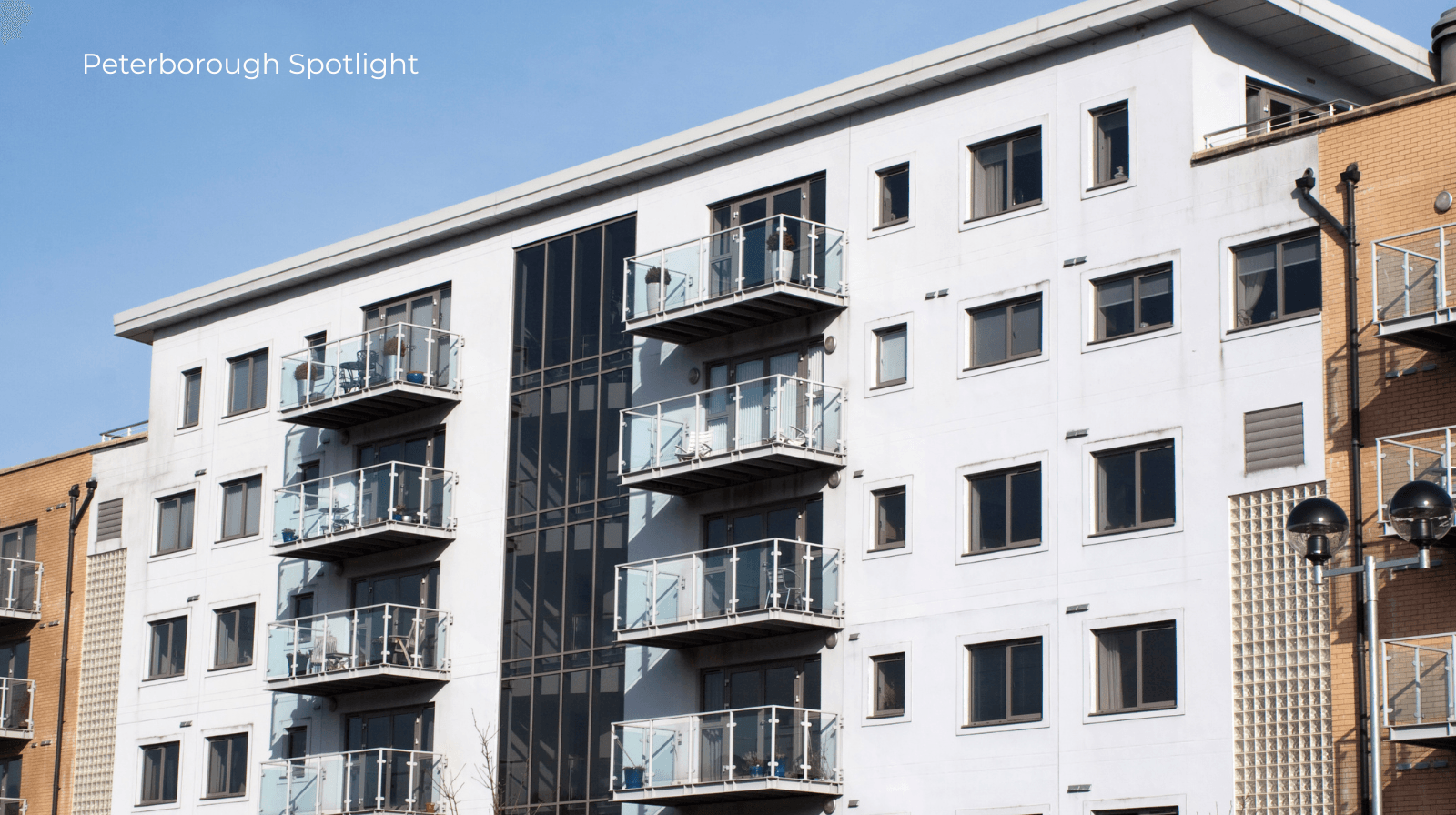
Flats/Apartments suffer worst through sky-high fees for shoddy services, while nearby houses sold freehold dodge the block pots & bills.
But to their surprise, freeholders still chip into estate roads and play areas via hidden covenants.
Kasun's solicitor skimmed over the details pre-buy:
Shared block clauses mean you're collectively funding—landlord doesn't have to pick the cheapest insurer or contractor.
Michael's group demanded breakdowns; a partial tribunal win capped two years' charges, but inflation-busting hikes continue.
Promised government reforms do little for existing leaseholders.
Kasun switched his personal contents policy which he thought was cheap, but the block building insurance for apartments sit's baked into service charges—residents stuck.
The new legislation eases lease extensions to 990 years with zero ground rent hikes, and Right to Manage lets 50% of owners seize control from agents.
But big blocks thwart it: "Tenants in rented flats block the vote because the owners never see my letters," Michael sighs—50% threshold near impossible
One conveyancer told us. Pre-buy audits could uncover 17 such clauses, saving thousands.
Hampton Vale shows modern blocks deliver modern bills—cheapest options be damned (there are too many fingers in the pie)
92% insurance hikes are now routine in many blocks.
Fight-back plays you could consider:
Look For A Conveyancer Who Offers A Free Block Charge Review |
 |
Bretton Surveyor Alert – Carlos's £9,500 Damp Surprise Post-Move |
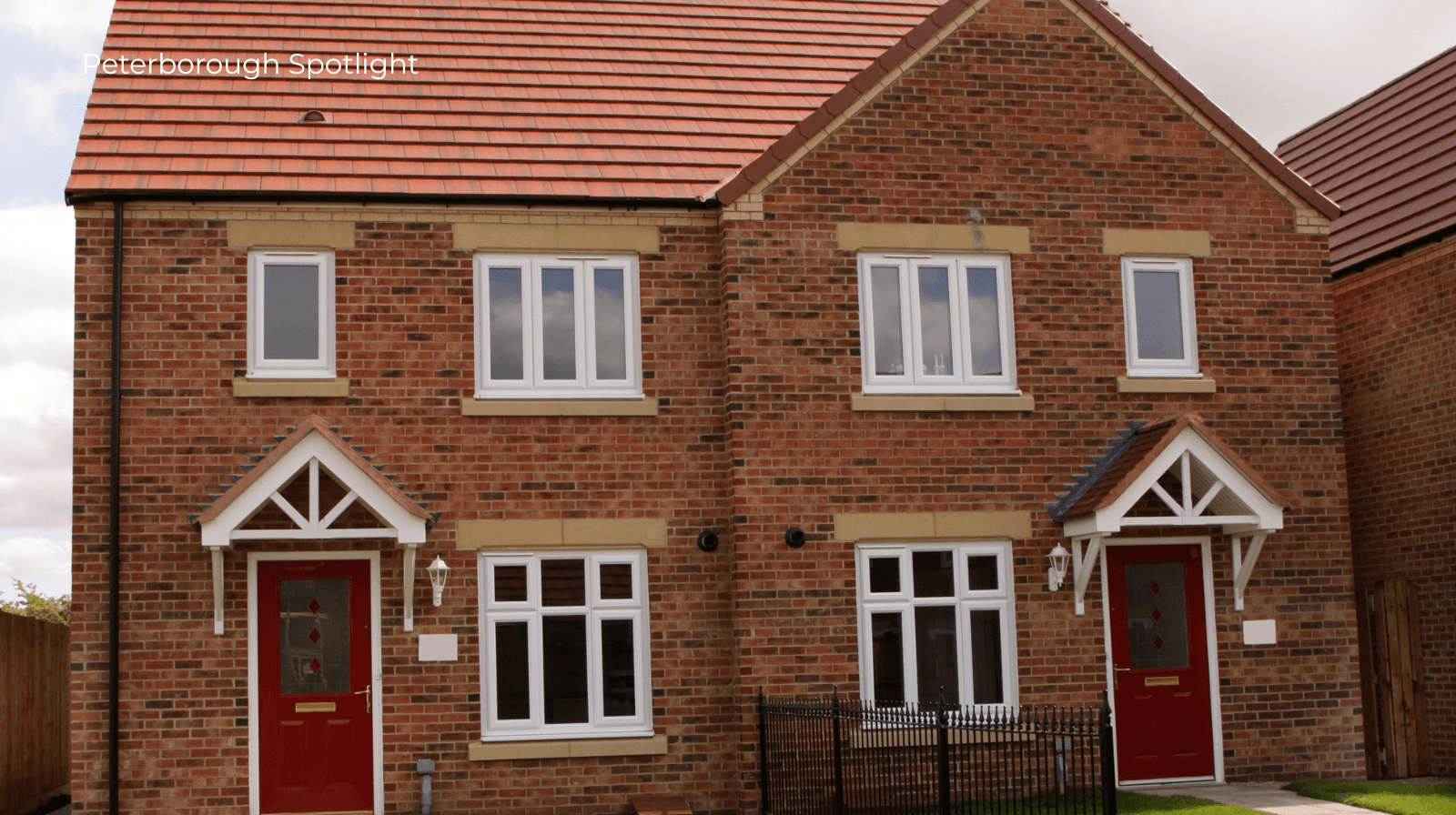
Carlos and Dee exchanged on their Bretton semi full of optimism—solid location, £240k price, seemed like a steal.
Walls looked fine at viewing, but a basic survey would have flagged rising damp in the kitchen corners.
Post-move, £9,500 fix bill hit after plaster peeled.
"Thought 'newish build' meant safe," Carlos says.
Next plot, Finn and Noor caught theirs early cracking walls from historic clay soil movement, price knocked back £18k pre-completion.
Surveyors chase what solicitors miss: the house itself.
REMEMBER The mortgage valuations protect lenders only, not you.
Homebuyers Report finds 41% issues like Carlos's.
Bretton clay shrinks/swells yearly; cracks show year two as estates skimp groundworks.
Basic survey £480 saves £14k on average.
Finn/Noor in their property requested an engineer's report issues with the walls on a new build — walls stabilised under NHBC warranty.
Whereas Carlos and Dee ended up paying for a full damp course himself, regretting no level 2 survey daily.
Top red flags
Buyers should walk away or at very least haggle if they find these sort of problems:
3mm cracks (historic movement)
Rising damp (full report)
Sinking patios (helical piles)
Leaking gutters (fascia replacement)
Door gaps (shrinkage).
IMPORTANT
Solicitors handle deeds; surveyors handle structure.
Peterborough special issues like Bretton clay make skipping a full survey potentially risky—41% buyers find defects.
41% new buys uncover survey issues.
Spot-and-save moves:
|
 |
The £2,100 Mistake: Why Decorating Your New Build Too Soon Could Cost You Twice |
Lars and Eva couldn't wait to make their Hampton Gardens new build their own.
Just three weeks after picking up the keys, they hired professional decorators at a cost of £2,100 for a Farrow & Ball Skylight feature wall in the lounge — that perfect pale blue they'd fallen in love with.
It had stretched the budget, but when friends and family couldn't stop complimenting it, every penny felt worth it.
Then, only a few weeks later, the paint bubbled and peeled away from the plaster.
The cause wasn't damp. In a new build, gypsum plaster can retain up to 30% moisture as it dries out.
That trapped moisture builds pressure beneath the surface and eventually lifts the paint.
Their decorator hadn't used a breathable product — an absolute must for new build properties that are still drying out.
During the colder months, when heating is turned up and windows stay closed, this happens far more frequently than most new homeowners realise.
Lars confessed rather sheepishly,
"The first decorator we spoke to actually warned us, but we didn't listen."
He shook his head with a worried look on his face. "He told us to leave it at least 180 days for drying out and settling. He said walls can shift 5–10mm in the first six months on a new build."
Eva joined in. "We'd set our hearts on that wall after seeing one at an exhibition we visited in London. So we hired a second decorator who said everything would be fine." She paused. "It wasn't."
Having swallowed their pride, they called back the original decorator — the one who had told them to wait — and arranged for him to return in a few months' time.
In the meantime, they stripped the wall and sat staring at bare plaster while it dried.
They weren't the only ones who had learned the hard way. Out at the pub one evening with their friends Wei and Kai-Li, who lived on the same estate, the conversation turned to DIY regrets.
Wei and Kai-Li had tiled the remainder of their shower room shortly after moving in, and the tiles had cracked.
Their builder told them it was down to substrate movement — the same underlying issue of a new build still settling and drying.
Both couples looked at each other and laughed, realising that their impatience and lack of knowledge had led to paying twice for the same work.
Determined not to make the same mistake again, Lars and Eva bought a moisture meter from a local DIY store and waited until readings dropped below 12% before touching the walls.
Lars then mist-coated the plaster with diluted emulsion — 25% water added to seal the surface properly — before applying a vinyl matt finish. It held up perfectly.
The Farrow & Ball feature wall could wait a little longer.
They also lined the walls with lining paper at just £15 a roll, which concealed around 90% of the hairline cracks that had appeared as the house settled.
Wei, meanwhile, switched to a plasticised adhesive for the bathroom tiles, and the problem was resolved.
What Every New Build Owner Should Know
Most hairline cracks appear within the first six months as the property dries and settles.
Resist the urge to decorate immediately and let the building do its work first.
When you are ready, a few affordable, trade-trusted products can save you hundreds.
A trade matt emulsion at around £38 a tin is designed to handle the stresses of a drying structure.
A mist coat of 25% diluted emulsion properly seals fresh plaster before your topcoat goes on.
Lining paper at roughly £15 a roll disguises up to 90% of settlement cracks and provides a smooth, stable base.
A moisture meter, available for around £28, gives you a clear go signal — wait until readings are below 12% before you start.
And for tiled areas, a plasticiser at about £12 allows adhesive to flex with substrate movement rather than cracking under pressure.
A little patience at the start can save you from paying twice at the end. |
 |
We Lost It to a Cash Offer in Hours" — How One Peterborough Couple Refused to Give Up |
Sophie and Ryan thought they had nailed it.
A three-bedroom semi just off Lincoln Road in Millfield, asking price £245k, ticking every box for their first home together.
They offered £248k with a mortgage approved subject to survey.
By teatime the same day, a cash buyer had come in at £262k.
The estate agent was blunt: "Cash is king around here right now. You need to move faster or look somewhere else."
That was it. Weeks of searching, gone in an afternoon.
Their experience is not unusual. Peterborough ranks as the fifth fastest-growing city in the UK, with business numbers up 32.3% since 2017.
That growth is fuelling demand, but the market across the city is anything but even.
Around Millfield and New England, competition for affordable semis has pushed prices up roughly 6% year on year, with three-beds now sitting between £240k and £270k.
Yet over in Stanground, prices have softened noticeably, dropping around 13% to an average of £232k.
Werrington holds steady at approximately £250k, though there is real variation between the older stock near the village centre and newer builds on the edges.
Understanding where the heat is and where it is not can make or break a first-time buyer's chances.
Why Cash Buyers Keep Winning
The problem Sophie and Ryan faced was not just a higher bid.
It was the structural advantage a cash buyer carries over anyone relying on a mortgage.
Lenders stress-test every application by calculating whether the borrower could still afford repayments if interest rates climbed to around 7%.
That single test slashed Sophie's maximum borrowing from £260k to £236k, and the couple still needed to find a £24k deposit at 10%.
A cash buyer skips all of it — no stress test, no surveyor delays, no chain to collapse.
The broader picture is not helping either. The Bank of England base rate sits at 3.75%, pinned there by inflation pressures linked to the Gulf crisis.
The rate cuts many borrowers had been counting on later this year now look unlikely to arrive.
Two-year fixed deals have hit 5.20%, adding roughly £250 a month compared to this time last year.
For first-time buyers already stretched to their limit, that increase alone can knock an entire price bracket out of reach.
Three Moves That Level the Playing Field
Sophie did not walk away from the market. She changed her approach, and she is now completing on a home in Werrington next month. Here is what made the difference.
First, she got a Decision in Principle before setting foot in another property.
A DIP is a pre-approval letter from your lender confirming exactly what you can borrow. It tells estate agents and sellers that you are mortgage-ready and serious, not just browsing.
Some Peterborough agents will not even book viewings without one.
With her DIP in hand from day one, Sophie leapfrogged two other interested buyers and had her offer accepted at asking price.
Second, she shifted her search to calmer ground.
Rather than fighting over every semi in Millfield where cash buyers were circling, she looked at Werrington where £250k buys a well-kept family home without the bidding frenzy.
Stanground's falling prices might look tempting on paper, but a cooling market carries risks for a first-time buyer banking on building equity over the next few years.
Third, she locked in a two-year fixed rate before things got worse.
With Gulf-driven inflation holding the base rate firm and some lenders already pricing above 5.5%, waiting for a miracle cut felt like a losing bet.
Fixing now gave her predictable monthly payments and protection if rates climb further.
"Know your number before you walk through the door," Sophie says. "We wasted months hoping for the best.
The DIP changed everything."
The Head Start Most Buyers Do Not Know About
If you are house-hunting in Peterborough, do not rely on Rightmove alone.
Estate agents often know about properties days or even weeks before they hit the major listing sites.
By registering directly with local agents across the areas you are targeting, you can have new properties landing in your inbox every morning giving you a genuine advantage over buyers who only see what is already public.
In a market where a cash offer can appear within hours of a listing going live, seeing a home first can matter just as much as what you bid for it. |
 |
Mortgage Nightmare: "One Phone Call Nearly Cost Us Our Home" |
Liam got the call on a Tuesday evening. His broker did not waste time on small talk. "Sorry mate. Gulf crisis has hit. Rates have jumped to 5.20%. Your stress test fails."
He and Sofia sat in silence. Exchange of contracts the moment a sale becomes legally binding and a 10% deposit is due was scheduled for the following morning.
Their three-bedroom semi on Mayors Walk in West Town, agreed at £240k, was hours from being theirs.
They had already absorbed the sting of stamp duty. At £8,250, it was a cost many Peterborough buyers do not see coming.
First-time buyers are exempt below £300k, but with the city's average price now sitting around £304k, plenty of purchases tip just over the threshold.
Liam and Sofia had budgeted carefully around it and thought they were through the hard part.
They were wrong. At the original rate of 4.84%, their monthly repayment sat at a manageable £1,320.
The new rate of 5.20% pushed that to £1,568 — an extra £248 every month that their stress test could no longer support.
Lurking behind both figures was the SVR, the lender's standard variable rate of around 7.27%, which borrowers fall onto when a fixed deal ends if they do not remortgage in time.
That was the number the stress test was built around, and at 5.20% the margin had vanished.
None of this was their fault.
The Bank of England base rate the rate it charges lenders, which filters down into every mortgage product on the market remained at 3.75%.
But the Gulf oil crisis had sent inflation expectations surging, and lenders had repriced overnight.
The rate cuts that many in the industry had been forecasting for later this year now looked dead in the water.
Meanwhile, Liam's phone kept buzzing. The estate agent: "There's a cash buyer sniffing around.
If you don't exchange tomorrow, I can't hold them off." The solicitor, waiting on confirmation. The broker, running numbers.
Liam made two decisions fast. He paid a £499 rate hold — a fee that freezes your offered rate for up to six months, protecting against further increases while the purchase completes.
Then he and Sofia found an additional £5k for their deposit, reducing the loan amount just enough to bring the stress test back within range.
The lender recalculated, the numbers passed, and exchange went ahead the next morning as planned.
Completion came ten days later. Keys in hand, front door open, relief like nothing either of them had felt before.
"The Gulf news hit like a bomb," Liam says. "Stamp duty had already stung us, and then the rate jump nearly finished us off.
The one thing I'd tell anyone buying right now is lock your rate early. Do not assume it will still be there next week."
He is not wrong to sound cautious.
Mortgage forecasters expect two-year fixes to reach 5.5% by summer.
The base rate shows no sign of dropping while the Gulf crisis keeps oil prices elevated.
For anyone mid-purchase or about to start looking, the message from Liam and Sofia's experience is blunt: treat your rate offer as something that can disappear overnight, because right now it can. |
 |
My Skin Looks Exhausted and Nothing Covers It" — Emma's Five-Minute Fix for Tired Winter Skin |
Client to Emma Driscoll at Glow Studio, Bridge Street, Peterborough: "I look shattered even when I've slept. Foundation sits on top. Everything cakes by lunchtime."
Emma: "It's not your makeup. It's your base.
Winter dries your skin out and foundation clings to every flaky patch.
Fix the prep and everything changes."
Her go-to move is simple. Before any makeup goes on, she applies a hydrating primer with a damp beauty sponge rather than fingers, pressing it into the skin instead of dragging.
"Most people skip primer or slap it on dry.
That one change gives foundation something to grip. It sits in the skin, not on it."
She follows with a light coverage foundation mixed with a single drop of facial oil directly on the back of the hand before applying.
"Clients come in wanting full coverage to hide tiredness.
Thicker product actually makes it worse.
A sheer base with a drop of oil gives you a glow that looks like good skin, not like makeup."
Clients say they get asked if they have changed their skincare within a fortnight.
"Best my skin has looked in years," is the line Emma hears most on rebookings.
Home Kit: Rosehip facial oil, around £9 from Boots.
Mix one drop into your foundation every morning.
Damp sponge, press don't swipe.
Under a minute, no appointment needed. |
 |
I'm 40 With a Dad Bod and Zero Time" — How Leigh Gets Busy Parents Back in Shape in 12 Weeks |
Client to Leigh at Anybodygym, Peterborough:
"I've got a dad bod, I'm over 40, and I haven't got time to live in a gym. Is there actually any point starting?"
Leigh: "You don't need two hours a day. You need three sessions a week, 45 minutes each, doing the right things. That's it."
His approach strips everything back to compound lifts squats, overhead presses, rows the movements that work the most muscle in the least time.
No complicated circuits. No six-day splits designed for people who do not have school runs, bedtimes, and a full-time job to work around.
Every session follows the same structure so clients walk in knowing exactly what they are doing and walk out inside the hour.
The other half is nutrition, and Leigh keeps that simple too.
A protein shake straight after training and one honest look at portion sizes during the week. "I'm not handing anyone a meal plan with weighed chicken and broccoli. Busy dads won't follow it. Small changes they'll actually stick with get better results than a perfect plan they abandon after a fortnight."
Twelve weeks in, his clients are typically 12lbs down with visible muscle definition coming through. "I feel 25 again," is what Leigh hears most usually said by someone who nearly did not make the first session.
Home Start: Three sets of ten press-ups every morning.
No equipment, no excuses, takes less than five minutes. Free beginner plan available to download from Anybodygym. |
 |
Peterborough's Best Independent Takeaways by Cuisine — 4.5+ Stars, No Chains, Real Reviews |
Forget the big chains. Peterborough has a takeaway scene that most residents only scratch the surface of.
We dug into TripAdvisor, Uber Eats, and Just Eat ratings to find the highest-rated independent spots within the city, each with a strong review count.
Every one of these is locally owned, and every rating is earned, not paid for.
Indian — XOXO Grill House, Peterborough (4.8/5, 917 TripAdvisor reviews)
The numbers speak for themselves.
Over 900 reviews and still holding a 4.8 is almost unheard of for a takeaway anywhere in the country, let alone a single Peterborough restaurant.
The butter chicken draws the most praise rich, well-spiced,
consistently good and the naan comes up in nearly every positive review.
Uber Eats delivery speed is among the fastest in the city, which matters when you are ordering on a Friday night alongside half of PE1.
Nepalese — Gurkha Lounge, Hampton Vale (4.8/5, 523 TripAdvisor reviews)
Hampton Vale's best-kept secret that is no longer much of a secret.
Gurkha Lounge offers something genuinely different from the standard curry house — momos, lamb tarkari, dishes that are lighter, cleaner, and more fragrant than their Indian equivalents.
Reviewers describe them as addictive, which is the word that comes up most often across more than 500 reviews. Just Eat rating sits at 4.9,
making it one of the highest-rated deliveries in the entire Peterborough area on any platform.
Turkish — Tavan, Lincoln Road, Peterborough
Lincoln Road has no shortage of competition when it comes to Turkish and Middle Eastern food, which makes Tavan's reputation all the more telling.
Reviewers consistently highlight the grilled meats generous portions, properly charred, served fresh along with warm bread and well-made dips that feel authentic rather than an afterthought.
The mixed grill platters come up again and again as the standout order.
Service is friendly and fast, and for a sit-in meal or collection it represents some of the best value on one of Peterborough's busiest food streets.
Chinese — Wok and Eat, Peterborough (4.6/5)
Not flashy. Not trying to reinvent anything. Wok and Eat has built its reputation on doing the staples well and doing them consistently.
Rice boxes, noodle dishes, and a strong vegetarian selection that actually feels like it was designed rather than an afterthought.
It also runs later than most competitors, making it the go-to for anyone ordering after 9pm.
Reliability is underrated in the takeaway world, and this place has it locked down.
Fried Chicken (Halal) — The Ladz, Cowgate (4.6/5)
Cowgate is not short on fried chicken options, which makes The Ladz's ratings all the more impressive.
Halal wings and burgers dominate the menu, portions are generous by any standard, and the coating stays crispy even after delivery something that separates good fried chicken from average.
It has become one of the most reordered spots on Just Eat in central Peterborough, and the reviews read like a loyal following rather than passing trade.
Italian — Fontanella's, Whittlesey
Just outside the city in Whittlesey, Fontanella's has built a loyal following that stretches well beyond the town itself.
Reviewers praise the pizzas and classic Italian dishes as fresh, generous, and honestly priced the kind of local Italian that bigger chains try to imitate but never quite match.
Service comes up almost as often as the food, with staff described as welcoming and attentive.
For anyone in the northern Peterborough area looking for a quality Italian without driving into the city centre, this is the one locals keep coming back to.
Pro Tip: Order midweek between 6pm and 7pm. Kitchens are quieter, drivers are free, and your food arrives faster and fresher than it ever will on a Friday at 8pm.
Think we have missed your favourite?
Drop us a message on Facebook or reply to this newsletter.
We will check the ratings and add the best suggestions to next month's update. |
 |
"£80 Tax Hike For More Potholes?" — Peterborough Council Gets It Wrong Again |
Energy prices are spiking again, hitting Peterborough households hard. The council passes the pain on with tax hikes while the roads crumble.
Pothole Hell Meets £80 Tax Bills
Dave pulled into the pub car park last week. Tyre smoking. Another Peterborough pothole victim. £120 bill.
Same day, council tax statement lands. Up 4.99% that is roughly £80 extra yearly for his three-bed semi.
"Social care crisis," the council says. Dave is not convinced.
Across the table, his mate pulls up Lincoln Road on Google Maps street view. "Look at the state of it. They want more money for that?"
Dave nods. My car's suspension is gone. Third pothole this year.
Bourges Boulevard, Newark Avenue, then the Fletton Parkway slip road finished me off.
The Real Numbers Nobody Likes
Peterborough City Council budget breakdown tells the story.
Social care swallows over half of all spending.
Highways and road maintenance gets a fraction of that and has been cut year on year in real terms.
The maximum council tax rise allowed without a referendum is 4.99%, and the council has taken every penny of it.
The council leader defends the decision.
Care costs have surged since 2020.
Demand is rising.
There is no fat left to trim.
Pub consensus is blunter. "Fill the potholes first. Sort the rest after."
Dave is not alone.
Peterborough's roads have ranked among the worst in the East of England for years, and drivers are paying for the damage out of their own pockets while also paying more council tax for repairs they never see.
The Civic Society has raised it.
Local Facebook groups are full of it.
Nobody who drives through Millfield, Woodston, or the Ortons regularly needs convincing.
"Vote the lot out," Dave says.
Half the pub agrees before he has finished the sentence.
What You Can Actually Do
Email your city councillor directly.
Every one of them has a published contact address on Peterborough City Council's website.
Ask specifically what is being spent on road resurfacing in your ward this year and demand a timeline.
Report every pothole through Fix My Street or the council's own reporting tool.
Logged reports create a paper trail.
If your car is damaged on a pothole that was previously reported and not repaired, you have grounds for a claim against the council.
Check your council tax band.
Around one in five households nationally is in the wrong band, overpaying by as much as £200 a year.
The Valuation Office Agency lets you check and challenge for free — it costs nothing and takes five minutes.
Next week we will be giving you step by step how you can be compenstated for damage caused to your vehicle by pot holes. |
 |
The £120 Detailing That Cost £3,800: Why the Wrong Valet Could Ruin Your Company Car |
Piotr handed his company Tesla Model Y to a local garage for a £120 premium detail.
Lease inspection was coming up and he wanted a showroom finish — the kind that says the car has been well looked after.
What he got was the opposite. Aggressive machine polishing left a permanent haze across multiple panels.
Tesla's notoriously soft paint simply couldn't withstand heavy correction, and no amount of buffing was going to undo the damage.
The result was a £3,800 respray, entirely out of his own pocket.
Weeks later, his friend Eva made a similar mistake with her Lexus NX Hybrid.
She took it to a different valeter for a routine interior clean, but the high-pH leather cleaner they used stripped the factory protection from the seats.
Within months, the leather had begun to dry out and crack.
What should have been a straightforward refresh turned into a costly restoration.
Anyone returning a vehicle through a company car scheme will know how unforgiving the end-of-lease inspection can be.
A single swirl mark across a panel can result in a £300 deduction.
Cracked leather, etched alloys, or damaged trim will cost considerably more.
The stakes are high — and the wrong products in the wrong hands can do serious, irreversible damage.
Piotr and Eva aren't isolated cases.
Acid-based wheel cleaners, widely used by budget valeters, etch alloy surfaces and often lead to a refinish costing upwards of £200.
Steam cleaning, applied carelessly to EV interiors, can warp plastic trim.
Even a quick wax, applied without proper decontamination first, does little more than seal dirt and grime into the paintwork, making the finish worse over time rather than better.
Getting It Right the Second Time
Having learned an expensive lesson, Piotr did his research and found a detailer who specialised in Teslas.
The cost was higher £280 but the process was meticulous.
They began with a pH-neutral snow foam to lift surface contaminants safely, followed by an iron fallout remover to dissolve embedded brake dust and metallic particles without touching the paint.
The car was dried with 505gsm microfibre towels, thick and soft enough to absorb moisture without leaving a single mark.
The result was flawless, with no comebacks at inspection.
Eva took a different approach and began maintaining the leather herself using a leather milk — a gentle, pH-balanced conditioner costing around £18 that restores suppleness and provides protection lasting up to 18 months.
For exterior washes, she adopted the two-bucket method, a simple but highly effective system where one bucket holds soapy water and the other clean rinse water, each fitted with a grit guard at the bottom to trap particles and prevent them from being dragged back across the paintwork.
A complete kit costs around £25 and lasts for years.
Both wished they had known sooner.
The products that protect modern vehicles soft paint finishes, coated leathers, sensitive alloys are not expensive.
What is expensive is using the wrong ones. |
 |
SPOTLIGHT INSIDER TIPS - What Every Company Car Driver Should Know |
An alarming number of high-street valets still rely on products that are too harsh for modern paint finishes, factory-treated leathers, and coated alloys.
A few carefully chosen alternatives can protect your vehicle and your wallet.
A pH-neutral snow foam at around £14 is safe for soft paints like Tesla's and lifts dirt without stripping any existing protection.
Leather milk at roughly £18 conditions and shields interior leather for up to 18 months without altering the pH balance of the factory coating.
An iron fallout remover at about £16 should always be used on wheels first, dissolving brake dust and bonded contaminants that standard shampoo cannot shift.
Drying should be done with 505gsm or heavier microfibre towels, which are dense enough to prevent scratching even on glass.
And a two-bucket wash kit with grit guards, available for around £25, is the single most effective way to prevent swirl marks during routine washing.
A little knowledge before the detail is worth far more than a respray after it. |
 |
The Company Car Tax Trap: Why Amir's Choice Between EV, Hybrid, and Petrol Was Worth More Than He Thought |
When Amir's firm in St Neots offered him a company car, he assumed the decision came down to which one he liked best. It didn't. It came down to tax.
A company car provided by an employer is classified as a benefit and taxed through a system known as Benefit in Kind, or BIK.
The rate you pay depends on the car's CO₂ emissions and its list price, and the differences are enormous.
A fully electric vehicle like the Tesla Model Y is currently taxed at just 2% of its list price.
A plug-in hybrid such as the Lexus NX sits at around 12%.
A conventional petrol car say a BMW of equivalent specification can attract a BIK rate of 31%.
On paper, the gap looks modest. Over three years, it can amount to thousands of pounds.
Amir's accountant told him to stop thinking about the monthly payment alone.
"Think about BIK plus resale value over a three-year cycle," she said, "and factor in your mileage." Amir was covering roughly 20,000 miles a year enough for fuel costs and depreciation to make a real difference.
Running the Numbers
The Tesla came out strongest on tax, costing Amir just £42 a month in BIK as a 20% taxpayer.
Fuel costs were negligible at around £180 a year, and resale values on the Model Y have held firm, with three-year projections sitting around £58,000.
Over the full cycle, the net benefit worked out at approximately £12,000.
The Lexus NX Hybrid sat in the middle.
Monthly BIK came to around £210, annual fuel costs were roughly £420, and projected resale value after three years was approximately £62,000.
The overall three-year benefit came out at around £14,000 slightly ahead of the Tesla once resale strength was factored in.
The petrol BMW told a very different story. BIK alone cost £580 a month, fuel ran to around £650 a year, and resale after three years dropped to roughly £51,000.
Over the same period, the total cost disadvantage amounted to approximately £18,000 compared with the other two options.
Amir chose the hybrid.
The tax position was manageable, the resale outlook was solid, and crucially for someone covering 20,000 miles a year with no reliable charging infrastructure at home there was no range anxiety to contend with.
The Traps Worth Knowing About
The government's generous BIK treatment of electric vehicles is deliberately designed to encourage the shift to greener motoring, and it works.
At 2%, the tax advantage over petrol is overwhelming. But there are catches that trip people up.
One of the most common is home charging. If your employer pays for or reimburses your domestic electricity used to charge a company EV, it can be classified as an additional benefit in kind effectively doubling your tax exposure on that element.
The way to avoid this is to claim the approved mileage rate of 4p per mile for electricity, which reimburses the cost without creating a secondary tax liability.
Miss this step and you may end up paying more than you expected.
It is also worth remembering that these numbers are not fixed.
BIK bands are reviewed and adjusted regularly, and fuel prices remain volatile.
Geopolitical risks particularly in the Gulf have historically driven sudden spikes, with some forecasters pricing in fixes of 5.5% or more during periods of instability.
A calculation that works today may look very different in 18 months.
As Amir's accountant put it, "Run your own numbers properly.
Every driver's situation is different depending on their tax band, annual mileage, and whether they have access to home or workplace charging.
" A hybrid balances cost, convenience, and certainty.
A Tesla is the strongest pure tax play provided your charging arrangements are sorted.
And petrol, at 31% BIK, is increasingly difficult to justify on numbers alone. |
Back on His Feet: How a 30-Year Market Trader Found a New Home on Bridge Street After Peterborough's Market Upheaval |
For more than four decades, Peterborough's Northminster site was the beating heart of the city's market trading community.
Then it was sold for redevelopment earmarked for over 300 new homes and the traders who had built their livelihoods there were left facing an uncertain future.
Rising rents and a prolonged period of limbo drained momentum and, for many, came close to ending their businesses entirely.
Stephen Wetherill knows that feeling better than most.
A fruit and vegetable trader with over 30 years in the business, Stephen had spent his working life serving the people of Peterborough from that site.
Losing it wasn't just a commercial setback. It was personal.
But Stephen didn't walk away.
When Peterborough City Council moved quickly to establish new permanent timber kiosks on Bridge Street, he was among the first to take up a pitch.
Speaking to the BBC in October 2022, he put it simply: "Good to be back. High footfall, a permanent setup customers know where to find fresh produce now."
A Fresh Start on Bridge Street
The Bridge Street scheme created space for 12 permanent kiosks alongside 12 pop-up stalls, giving displaced traders like Stephen a stable base while also opening the door for new and seasonal businesses to test the waters at lower cost.
The council acted swiftly to allocate pitches, and for Stephen, that speed made all the difference.
After the trauma of losing a home he had known for over four decades, having somewhere solid to trade from again restored both his confidence and his customer base.
It helped that the location was right.
Bridge Street sits in the centre of Peterborough's busiest pedestrian route, and the footfall has given Stephen's stall a visibility that the old site, tucked further from the main flow, sometimes struggled to match.
His regulars found him again quickly, drawn back by the same thing that had kept them coming for years fresh produce, much of it sourced from the local growing area just outside the city, sold directly by someone who knows every item on his stand.
A City on the Rise
Stephen's revival mirrors a broader story of growth in Peterborough.
The city has recorded a 32.3% increase in new business registrations since 2017, placing it fifth in the United Kingdom for business growth over that period.
The market and street trading scene has played its part in that expansion.
Pop-up stalls supported by the city's Business Improvement District, or BID, have become a proving ground for new ventures from vegan food traders to seasonal Christmas market sellers offering a low-risk way to build a customer base before committing to permanent premises.
The BID also provides grants of up to £3,000 for creative commercial projects, encouraging traders and small business owners to invest in ideas that bring footfall and character to the city centre.
It is a model that recognises a straightforward reality: traditional high street rents are prohibitive for many independent businesses, but direct trade from a well-positioned stall can thrive where a shopfront cannot.
As one local councillor observed, it is a matter of "commercial reality."
The economics of a market stall lower overheads, direct customer relationships, and the flexibility to adapt quickly give traders like Stephen a fighting chance in an environment where bricks-and-mortar retail continues to struggle.
Why It Works
Stephen's story is not just about resilience.
It is about a model of trading that suits both the trader and the city.
A permanent kiosk on a high-footfall street gives him the stability he needs.
The direct relationship with his customers — many of whom have been buying from him for years gives him a loyalty that no supermarket can replicate.
And the fresh, locally sourced produce he sells gives shoppers a reason to choose the high street over the out-of-town alternatives.
For Peterborough, the Bridge Street kiosks and the pop-up programme represent something worth protecting:
An accessible, affordable route into self-employment that brings life and variety to the city centre without relying on the kind of rents that have hollowed out high streets across the country. |
 |
Peterborough's Solar Surge: Why Local Homeowners Are Making the Switch and What It Actually Costs |
Drive through Bretton, Hampton, or the Ortons on a clear day and you will notice the change solar panels are appearing on rooftops everywhere.
With energy bills still climbing and Peterborough sitting in one of the sunniest, flattest corridors in eastern England, the numbers have started making sense for a lot of households.
A typical 4kW system enough for most three-bedroom homes — costs between £6,500 and £8,000 and pays for itself within four to seven years.
Larger 6kW systems run £7,800 to £10,000 with annual savings of £700 to £900, while 10kW installations for bigger properties cost £12,000 to £15,000 and return £800 to £1,200 a year.
After payback, the electricity is essentially free for 25 years or more.
South-facing roofs in Bretton are hitting up to £1,200 in yearly savings, and from April the Smart Export Guarantee rises to 15p per kilowatt hour meaning surplus energy you send back to the grid earns money too.
Who's Doing the Work
Peterborough has a strong local installer market. Optimum Electrics is one of the most established names in the city, handling everything from Hampton semis to Bretton terraces.
Solar East Anglia brings deep regional experience across Cambridgeshire. Resolve Home Energy specialises in adding battery storage, which lets you store daytime energy for evening use rather than exporting it cheaply.
Free surveys are common across all three.
Before booking, confirm your installer holds MCS certification it is required for government grants and export payments.
Grants and Next Steps
Glow Green and UPS Solar are currently offering free quotes that factor in ECO4 eligibility, the government scheme that can significantly reduce upfront costs for qualifying households.
It is worth getting quotes from multiple installers and asking each one about ECO4, export tariff rates, and whether battery storage suits your setup.
If you live in a property with older council-installed panels, contact Peterborough City Council directly you may be eligible for upgrades or battery additions.
New-build buyers should check whether rooftop panels are owned outright or subject to lease arrangements and access fees.
Solar is not a magic fix generation drops in winter and north-facing roofs will always underperform.
But for most Peterborough homes, the case has never been stronger.
The panels going up across the city are not a trend. They are a calculation, and the numbers are working. |
Power Bill Doubled — How Two Peterborough Neighbours Fought Back |
Chrissie opened her Octopus bill last month. £248. The month before it was £128. Charlotte next door got the same shock on the same day.
The cause is familiar. Chrissie's fixed tariff had ended and she had been rolled onto the standard variable rate without realising.
At 28.6p per kilowatt hour for electricity, the SVR is brutal.
Gas crept up too, from 8.5p to 9.8p per kWh. Add in a standing charge of 52p a day just for having a connection and the numbers escalate fast.
Across Peterborough, households are seeing average rises of around 18%, which works out at roughly £420 extra per year for a typical family.
Charlotte put it bluntly. "Council tax up 4.99%. Energy through the roof. The budget is gone."
Chrissie did not sit with it.
She called an energy broker the same week and switched to Octopus Agile, a tariff that charges as little as 7.5p per kWh during off-peak hours.
By shifting her washing machine, dishwasher, and tumble dryer to run overnight and using timers on her immersion heater, her bill roughly halved.
She has a solar panel quote booked next the current payback period is around eight years, after which the electricity is essentially free.
Charlotte told her she was doing the same thing the following morning.
For anyone in Peterborough sitting on an SVR right now, the three tariffs worth looking at are
Octopus Agile for cheap off-peak rates if you can shift your usage, Octopus Go if you own an electric vehicle, and a fixed 12-month deal if you want predictability some are currently available around 14.2p per kWh, which is half the SVR rate.
A single phone call or online switch could save a Peterborough household hundreds of pounds a year. Chrissie's proof it works. |
 |
Malcolm and Jenny's House — The £42k Tax Bill After 42 Years of Hard Graft |
Jenny is sitting in her Peterborough kitchen staring at a solicitor's letter and report with her daughter Susan.
Her husband Malcolm died last year at 71.
Their large three-bed semi is now valued at £425,000, which means when Jean dies, the children face an inheritance tax bill of roughly £42,000.
They bought that house for £82,000 in 1983.
Charlie worked night shifts at the Perkins factory. Jenny cleaned offices in the city. They were not wealthy.
They just held on to a home that Peterborough's property market slowly inflated around them.
Inheritance tax hits at 40% on everything above the nil-rate band of £325,000, a threshold that has been frozen since 2009.
When the first spouse dies, the estate transfers tax-free. When the second dies, the hammer drops. James and Susan, their children, will owe HMRC £42,000 just to keep the family home their parents spent a lifetime paying off.
Jenny cannot make sense of it. "We are not rich. We worked hard all our lives and we cannot even leave our house to the children without the government taking a cut."
When Jenny met with an independent financial adviser after Malcolm's death, she learned that most Peterborough families in their position never plan for this.
With average larger houses on estates now around £425,000 in the area, a significant number of families are crossing the threshold without realising it until it is too late.
Malcolm had done one thing right his pension was nominated to pass directly to the children via an expression of wishes form, which meant it transferred tax-free outside the estate.
But the house was a different story entirely.
The IFA laid out options Jenny had not known existed.
Gifting from surplus income is exempt from inheritance tax immediately if it comes from regular income rather than capital.
Equity release against the property can fund the future tax bill while keeping the house in the family.
A deed of variation, which must be made within two years of a death, can redirect part of Malcolms estate in a more tax-efficient way.
Each of these is legal, well-established, and used routinely by families who get advice early enough.
Jenny wishes they had acted sooner. "Peterborough families lose thousands every year to this. Malcolm would be furious."
The lesson is simple.
Check your pension nominations are up to date.
Review your wills. Speak to an IFA and a solicitor before the second spouse dies, not after.
In an ideal world, inheritance tax planning should start the moment your estate looks likely to exceed the threshold, whether that is now or ten years from now.
A single consultation could save your family tens of thousands of pounds. Malcolm and Jenny earned that house. Their children should not have to sell it to pay for the privilege of inheriting it.
|
|
|
Some Words From Sally Our Money Saving Undercover Reporter |
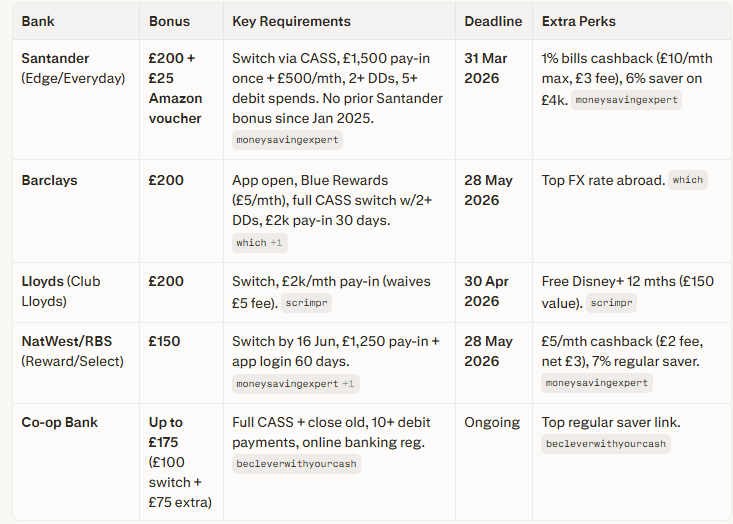
I switched 3 banks in 3 months – pocketed £550 free cash (and kept my sanity).
Switch 1: Santander Edge – £225 TotalOpened app, switched salary (£1,800 pay-in).
Added 2 bills (£Sky + £Council Tax), 6 debit card spends.
Bonus + £25 Amazon hit account day 28.
1% cashback kicked £9 back instantly (bills only). Switch 2: Barclays Premier – £200Next week, full CASS from Santander.
£2k pay-in, joined Blue Rewards (£5/mth fee), logged app.
Bonus paid 45 days.
Used abroad FX (saved 3% vs old bank). Switch 3: Lloyds Club – £200Final: Switched again,
£2k/mth salary.
Waived fee.
Free Disney+ activated (kids thrilled).
All automated – no missed DDs. Lessons & Warnings
Cambs locals: Same banks everywhere. Start today – £200 Santander ends 31 Mar.
Bank bonus chain – repeat yearly. |
That's All For This Weeks Spotlight |
|
Looking To Sell Your Home In 2026 |
We have created a newsletter the Home Seller Insider which has they latest news, ideas, tips and inside track on selling your Peterborough home . Packed full of expert advice click the image below to sign up TODAY! |
 |