









Most of us grow up hearing “save your money,” but very few people explain why saving alone doesn’t always keep up with real life.
Here’s the simple, no-jargon version every Peterborough family should understand when investing or saving for 18-years or ideally even longer period .
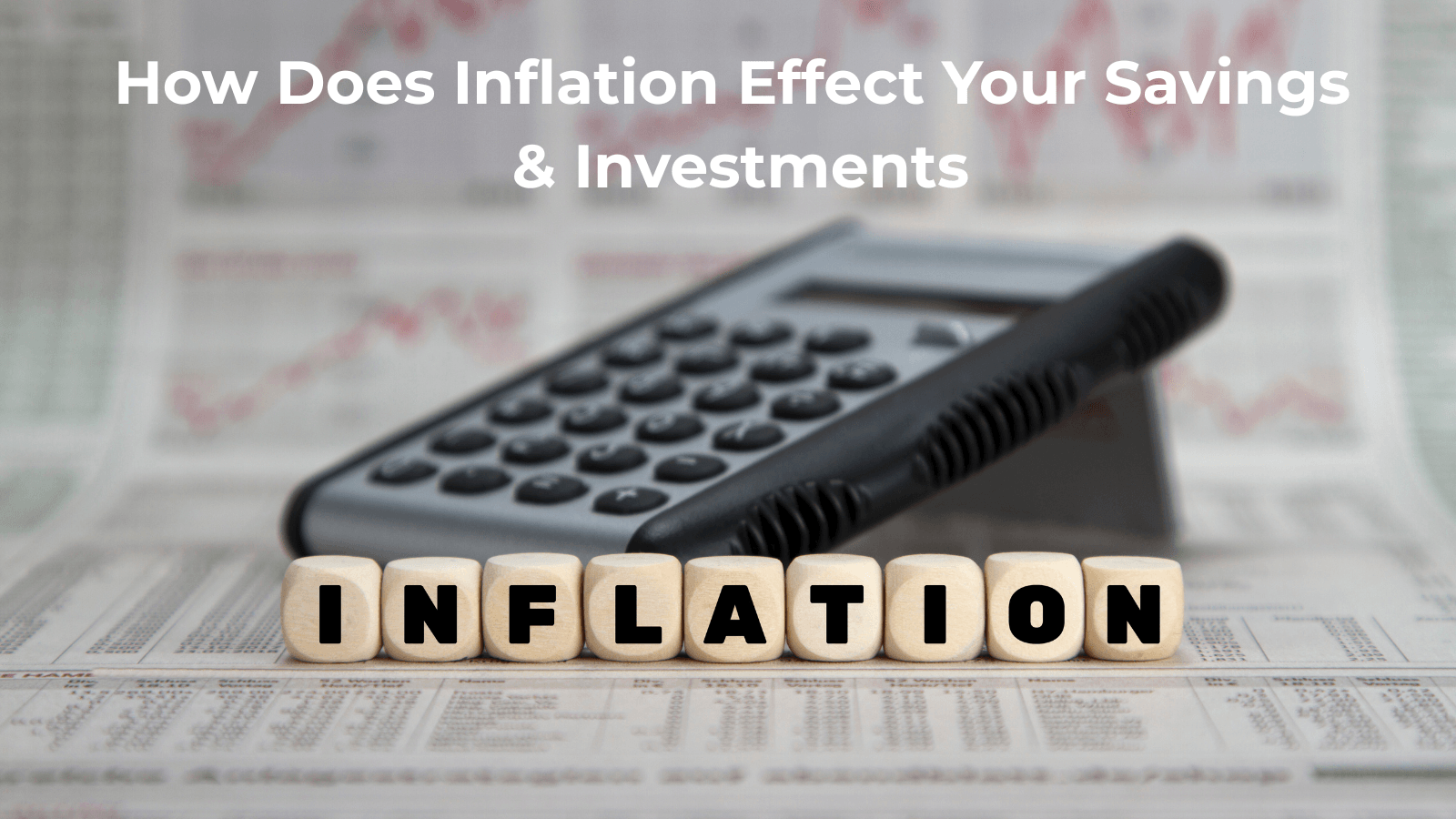
Inflation is the slow rise in the price of things you buy: food, clothes, fuel, bills, school costs, everything.
If prices rise by even 2–3% a year, it means £1 today will buy less in the future.
A simple example:
-
You save £1,000 today.
-
Prices rise 2.5% a year.
-
In 18 years, the same shopping basket might cost £1,500–£1,600.
-
Your £1,000 still says “£1,000”… but it buys less.
-
That’s inflation.
It quietly eats your money’s power.
This is why relying on savings alone for 18 years can feel frustrating
Savings accounts give:
-
safety
-
stability
-
no surprises
-
quick access
But most savings don’t grow faster than inflation, so they’re best for short-term needs, emergencies, and peace of mind, but not long-term growth.
Investing puts money into things that can grow most frequently through broad “funds” containing hundreds of companies.
They rise and fall, sometimes sharply, but over long periods (10–20 years) they have historically grown more than inflation.
You can anticipate ballpark returns over longer periods of 18 years of more.
(but to be clear these are not guarantees):
-
Lower-risk funds: 3–4% a year (steady, mild ups & downs)
-
Medium-risk funds: 5–7% a year (normal bumps, long-term growth)
-
Higher-risk funds: 7–10% a year (bigger bumps, more growth potential)
This is where time does the heavy lifting.
Just a simple demonstration not advice, not predictions, just how the maths behind this works:
-
Saving £20/month (no interest): £4,320
-
Saving £20/month (2% interest): ~£5,000
-
Investing £20/month at 4% long-term growth: ~£6,250
-
Investing £20/month at 6% long-term growth: ~£7,700
-
Investing £20/month at 8% long-term growth: ~£9,000+
The point isn’t the exact numbers — it’s the difference.
Savings protect money (bot your monies value is erroded by inflation)
Investments grow money.
Inflation sits in the middle quietly messing with both.
What does £20 a month look like over 18 years?
because it makes logical sense:
-
Savings = short-term safety
-
Investments = long-term potential
-
Inflation = the quiet gap between them
Over 18 years, even small amounts like £20 a month start to show the power of combining the two.